Is Bleach Safe for Cleaning Drain Lines? Can I Use Isopropyl Alcohol?
A blog.gotopac.com reader asked, “Can I safely use 91 or 71% alcohol to clean dental water drain lines? The water company is saying not to

A blog.gotopac.com reader asked, “Can I safely use 91 or 71% alcohol to clean dental water drain lines? The water company is saying not to

The internet’s guide to frequently asked questions about Isopropyl alcohol. Find answers to questions about IPA use, sanitizers, and dilution.

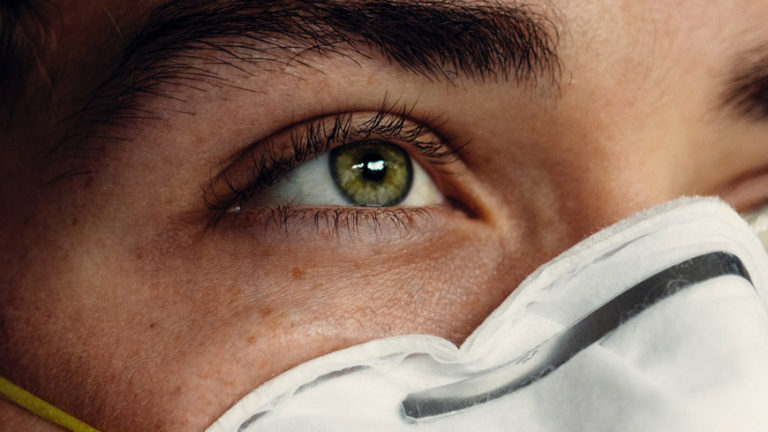
This post will help you understand meaningful differences between various face mask evaluation methods and best-case use. Understanding the most common mask materials and expected performance metrics helps buyers better decide which mask is most appropriate for associated risk, cost, and wellbeing.

The F2299M filtration efficacy test compares particle counts before a test media meets a filter apparatus (upstream) and then measures again after (downstream) the test media passes through the material.

Will an under desk foot rest improve my posture and comfort while sitting at a desk? Here’s the science behind ergonomic foot rests and how to pick the right one for you.
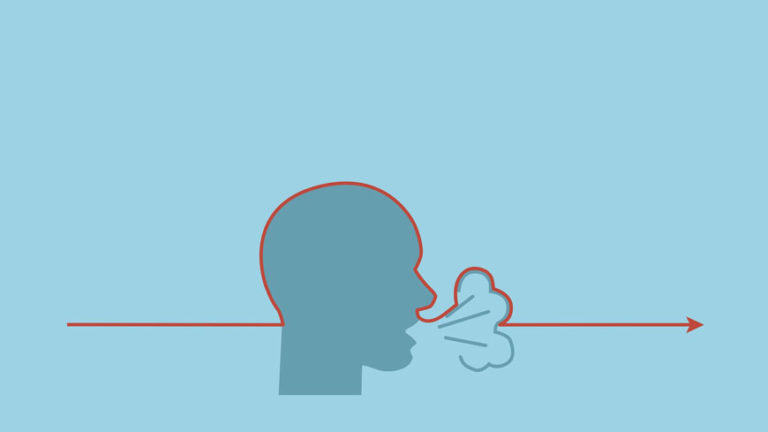
Aerosols vs Droplets – does COVID-19 spread by aerosols or droplets? Does evidence support airborne coronavirus? 15+ studies on COVID particle size, droplets, ventilation, and face masks.
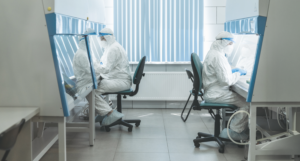
Question: “What Class clean room is required to manufacture FDA approved N95 masks, isolation gowns, surgical masks, etc.?”.

What are the differences between KN95 masks and 3M N95 masks? Which one is better?

Through CleanPro® adhesive sticky mats were designed to be used for cleanroom environments, they can be used wherever there is a need to trap contaminants

The health impacts of polluted air and particulates vary by the form and size of particulate. Learn about different types of particulates and find updated research.
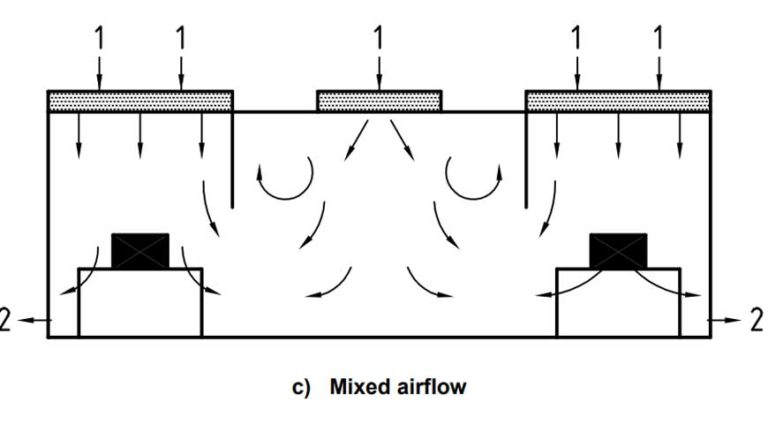
Why Can’t Anyone Agree on Benchmarks for Cleanroom Air Change Rates? There are a number of best practice guides and benchmarks for cleanroom air change

Learn about the newest WIFI & IOT enabled air quality monitor features. Remotely monitor indoor & outdoor air quality including PM2.5 – PM10 particles, dust, C02, & VOCs.
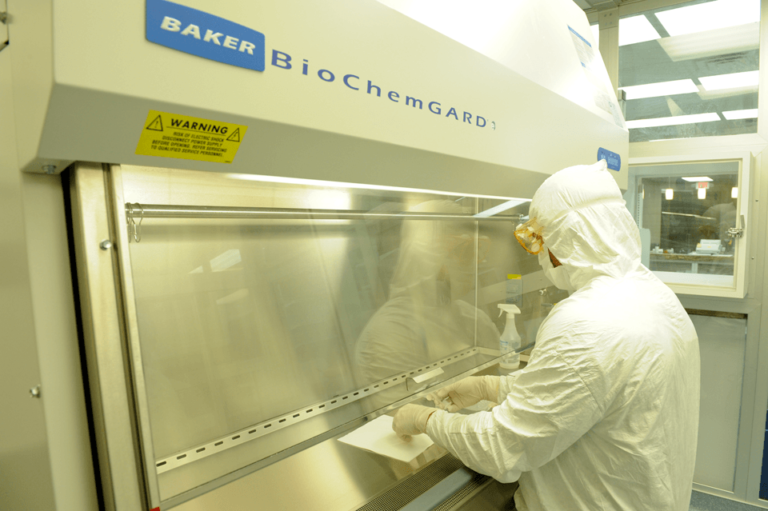
What are the essential requirements for USP 800 gowning? What kind of gloves and gowns do USP 800 hazardous drugs require?
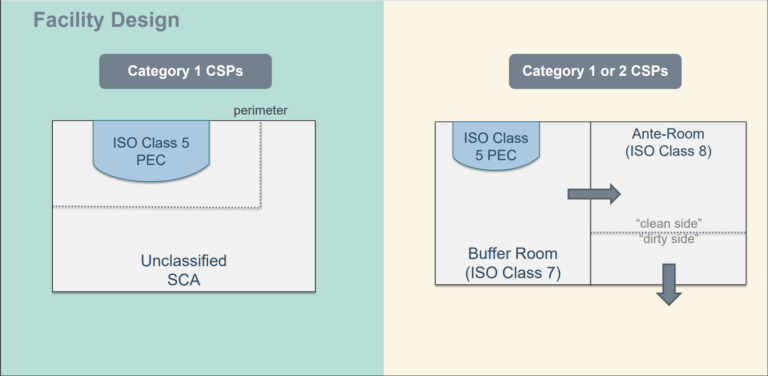
View USP 797 gowning standards and core requirements. For sterile processing, additional precaution is needed to assure that no sterile surfaces contact non-sterile surfaces during gowning, processing, or cleaning. Sterile garments and gloves are recommended during aseptic workflows.
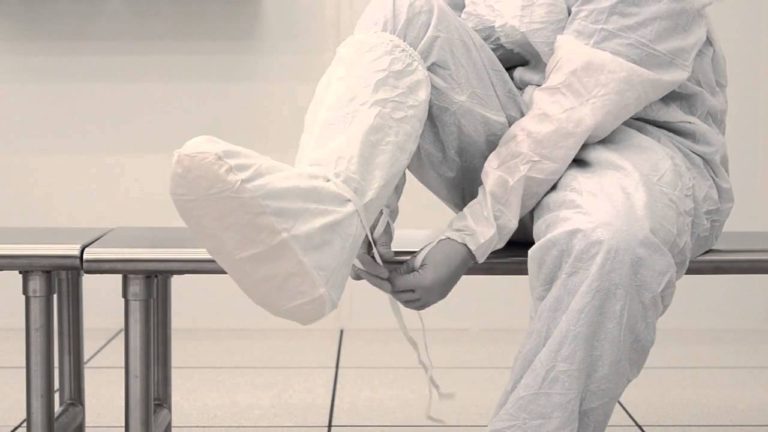
The majority of contamination within aseptic processing cleanrooms involves personnel. Proper application of gowns, hygiene, and a work flow can often eliminate the majority of mix ups and contamination.
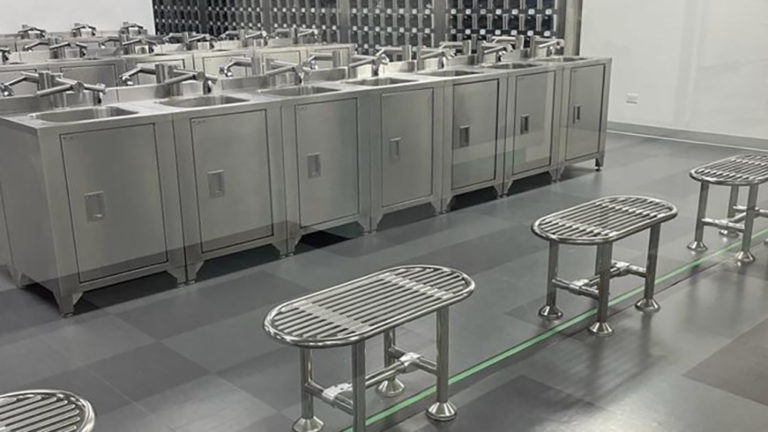
A gowning room has many variables. There is no mathematical formula when determining the features, surfaces, and HVAC requirements best suited for your application. Space requirements, volume of operators, aseptic workflows, material choice, and even aesthetics all factor into design considerations. Most facilities benefit from contacting a controlled environment specialist who can identify critical product sensitivities, storage requirements, and operational standards.
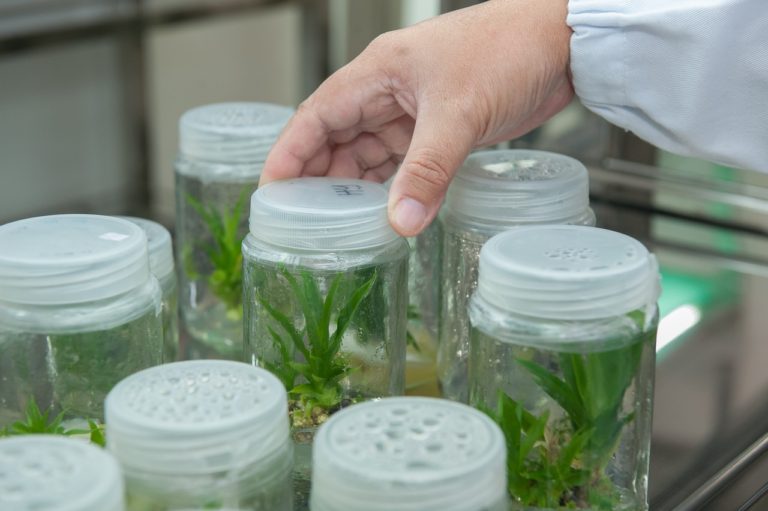
What do I need to tissue culture plants? What are the advantages of tissue culture? This article provides basic environment design, supplies, and protective requirements for non-hazardous sterile processes during the cell culturing and micro-propagation of clones. Learn about the tools and equipment required for aseptic workflow during tissue culture processes.
Historically, air quality has shown a complex relation to respiratory issues, birth defects, chronic illness, cancer, and even loss of cognitive function. Research suggests air pollution affects everything from neurodevelopment in-utero to cognitive decline in older people.

What are the differences between BOFA fume extractors? What’s the best system for laser cutting, soldering, fluid dispensing, or high-volume particulates? Learn more about the differences between each product and see where you can find them online.
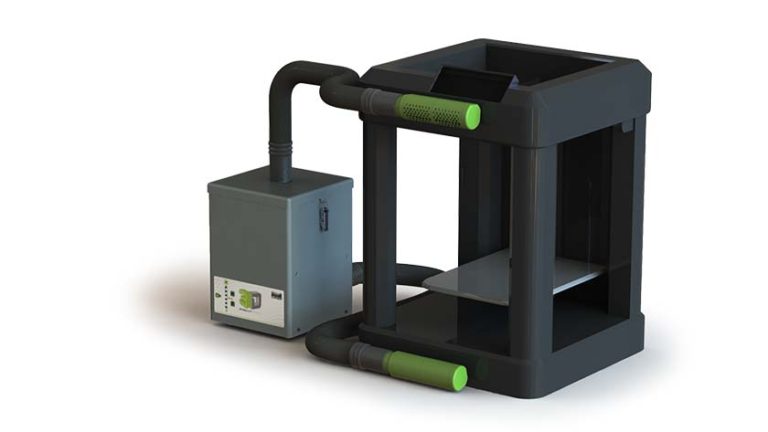
3D printers are known to produce a number of byproducts during operation. Common 3D printing filaments such as ABS and PLA are known as high emitters of ultra-fine particulates (UFPs), while nylon and PCTPE are known for high levels of volatile organic compounds (VOC) concentrations. Once airborne, particles and noxious fumes are easily absorbed into the lungs where they can enter tissues and cells.