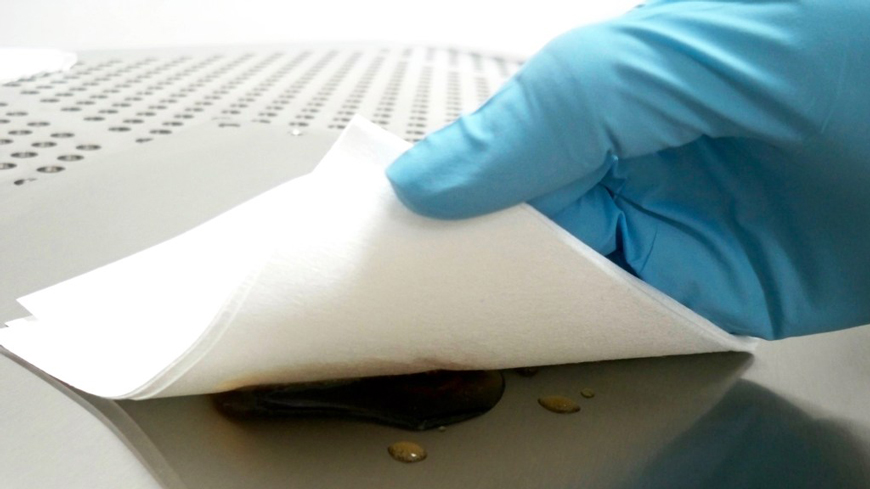

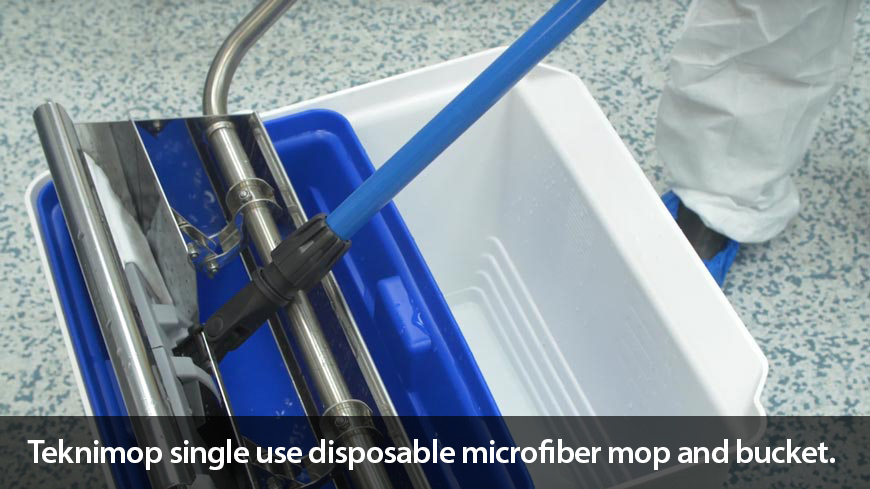
What’s the Correct Way to Wipedown a Surface? What’s the Advantage of Microfiber Wipes?
What is the proper technique for wipedown and sanitation of surfaces? Why is a microfiber wipe most effective for viruses and infection control?
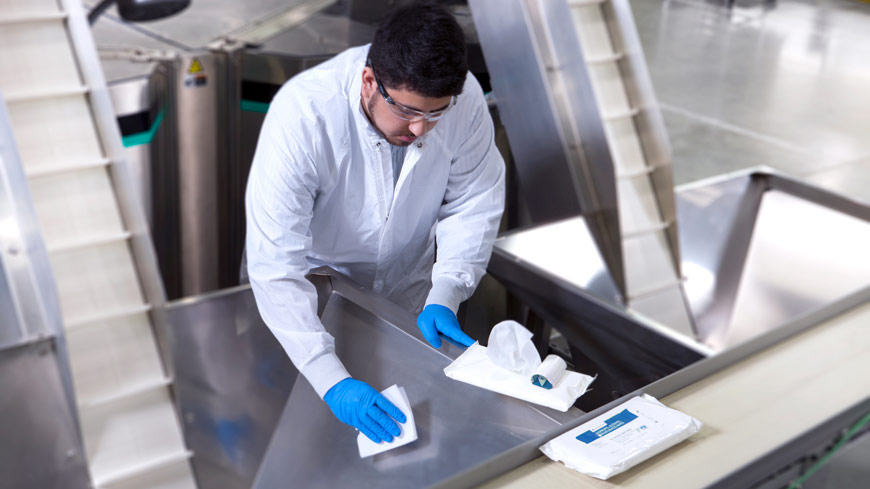
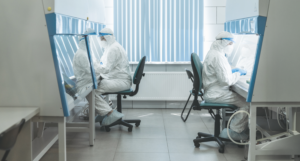
How Do I Properly Wipe Down Surfaces in Cleanrooms and Labs?
What are the proper steps for wiping surfaces, biological isolators, and laminar flow cabinets, and excess hazardous drugs?
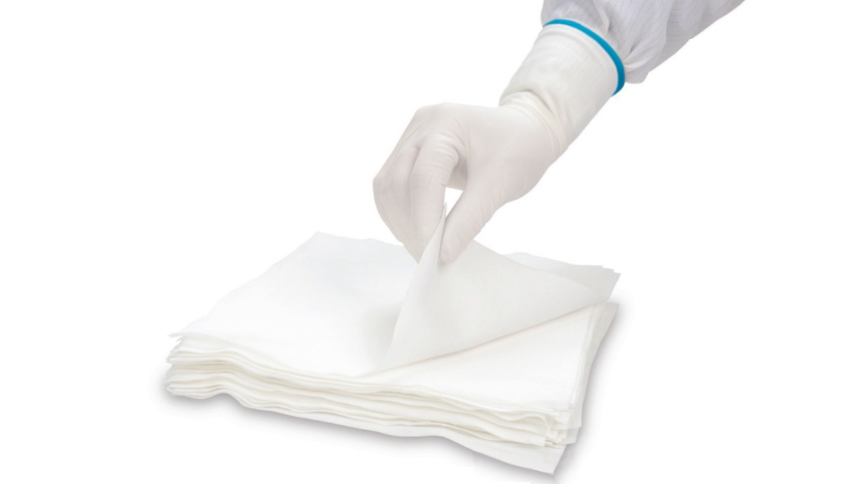
Cleanroom Wipes for Pharmaceuticals: Pyrogen Testing Methods
Cleanroom wipes and gloves undergo LAL and Agar Overlay Analysis when testing for pyrogen and endotoxin levels. This post details the methodology, historical relevance, and explores cleanroom solutions for pyrogen-free and low-endotoxin gloves and garments.
Particulate and Molecular Contamination Tests for Cleanroom Wipes and Fibers
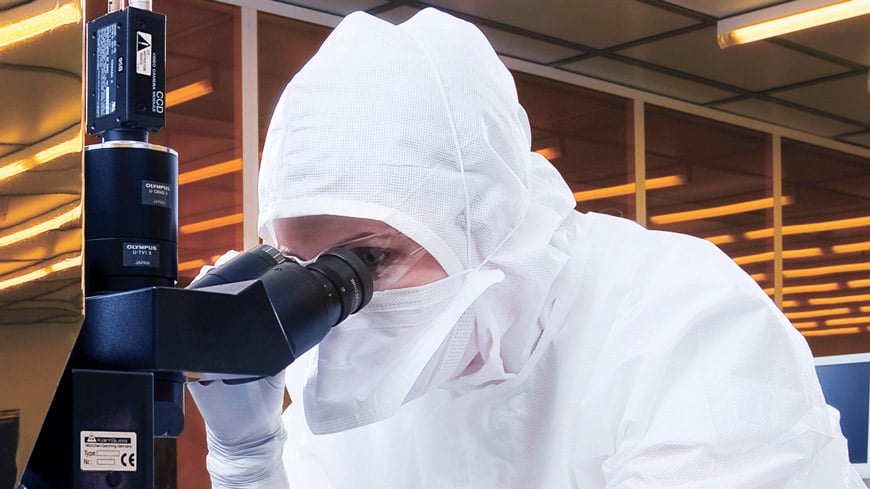
The majority of wiper contamination tests probe for particles, fibers, ions, nonvolatile residue, and bio-contaminants. Cleanroom wipe test methods detail and measure the extraction and enumeration particles, fibers, and other contamination released from wipers (or other materials), usually in a wetted state, under conditions of moderate mechanical stress.
Cleanroom Wipe Contamination Profiles for Medical Device Wipedown & Electronics
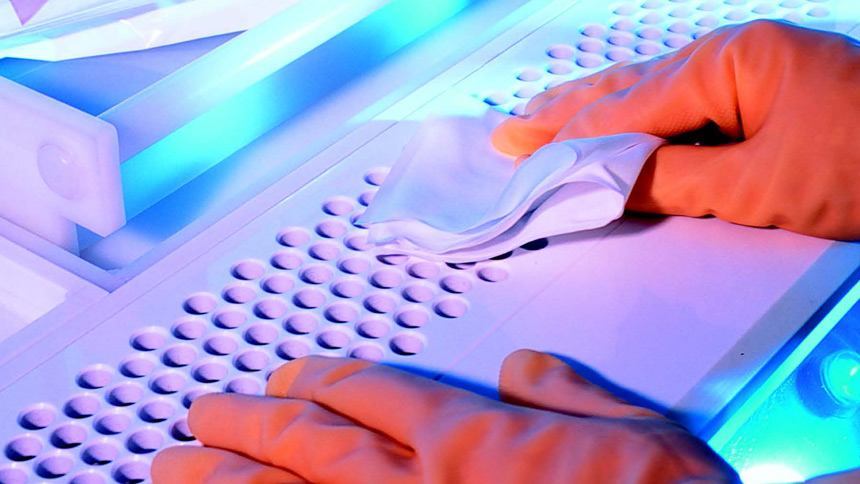
The ideal cleanroom wipe must meet industrial and regulatory standards concerning chemical, physical, and biological compatibility. Wipe fabrics undergo a strict examination to simulate manufacturing outcomes in the real world.
Stretch and strength, chemical compatibility, task efficiency, sorbency, shed, retention, and biological harmony have unique consequences in both high-tech cleanrooms and general manufacturing floors.

Cleanroom Wipe Testing Standards for ASTM, IEST & ISO Organizations
ISO cleanroom wipe classification is important, but is it enough? A clean room wipe selection criteria should meet baseline particulate shed thresholds for the end-user environment. Like any cleanroom rated product, cleanroom wipe manufacturers qualify ISO wipers between ISO Class 1 – ISO Class 9 as specified in step with cleanroom classifications of the International Standards Organization (ISO). The majority of cleanroom classifications fall between ISO 5 – ISO 8.
Stencil Wipe Rolls – New Understencil Wiping Rolls for SMT DEK EKRA MPM Printing
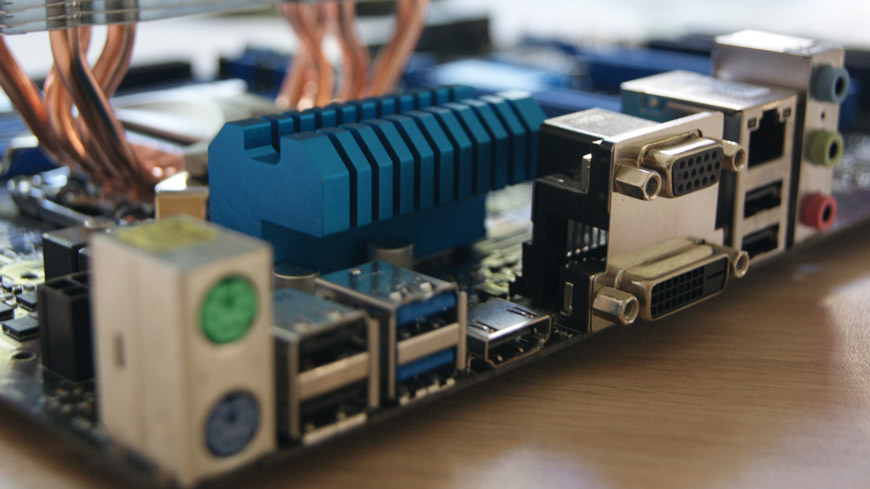
Polymeric resin-bonded stencil wipes encourage solder paste and adhesive retention. The fabric density performs better under vacuum than paper-based products. Air is able to pass through the microstructures and permit uniform contact with the board under squeegee pressure for a controlled removal.
Polycellulose & Polyester Cleanroom Wipe Supplies
Here’s the guide to buying cleanroom wipes that stay on-budget. Differing package sizes, bulk counts, edge types, material options, cloth size, weights, ISO class, substrates, ionic levels…comparing cleanroom wipes is mind numbing. 50% of leading cleanroom wipe advertisers don’t even offer prices online!
Advantages of Peracetic Acid Sporicides
What are the advantages of peracetic acid sterilants for cleanroom disinfection? Where is it used? How does it compare to gas sterilization methods?
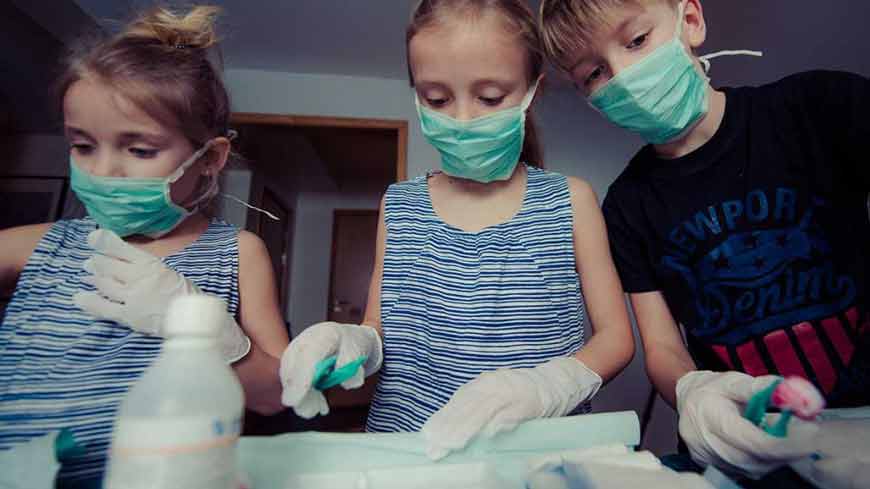
Guide to USP <1072> Disinfectants & Sporicides
USP <1072> outlines decontamination practices for critical environments.In this post, we’ll outline the types of chemical disinfectants and sterilants used in cleanrooms and laboratories. This includes isopropyl alcohol, bleach, formaldehyde, hydrogen peroxide, and peracetic acid.

Answers to the Most Common Ultrasonic Cleaner Questions
What is an ultrasonic cleaner? When should ultrasonic cleaning solutions be changed? Learn how to use, clean, and get the best results from your ultrasonic cleaning system.

Cleanroom Wipe Use, Protocol, and ISO Class Standards
Cleanroom wipes differ by application, cleanliness, materials, and essential properties. This post addresses cleanroom wipe ISO classes and properties. What’s the right wipe for ISO class 5, ISO 6, ISO 7, or ISO 8??
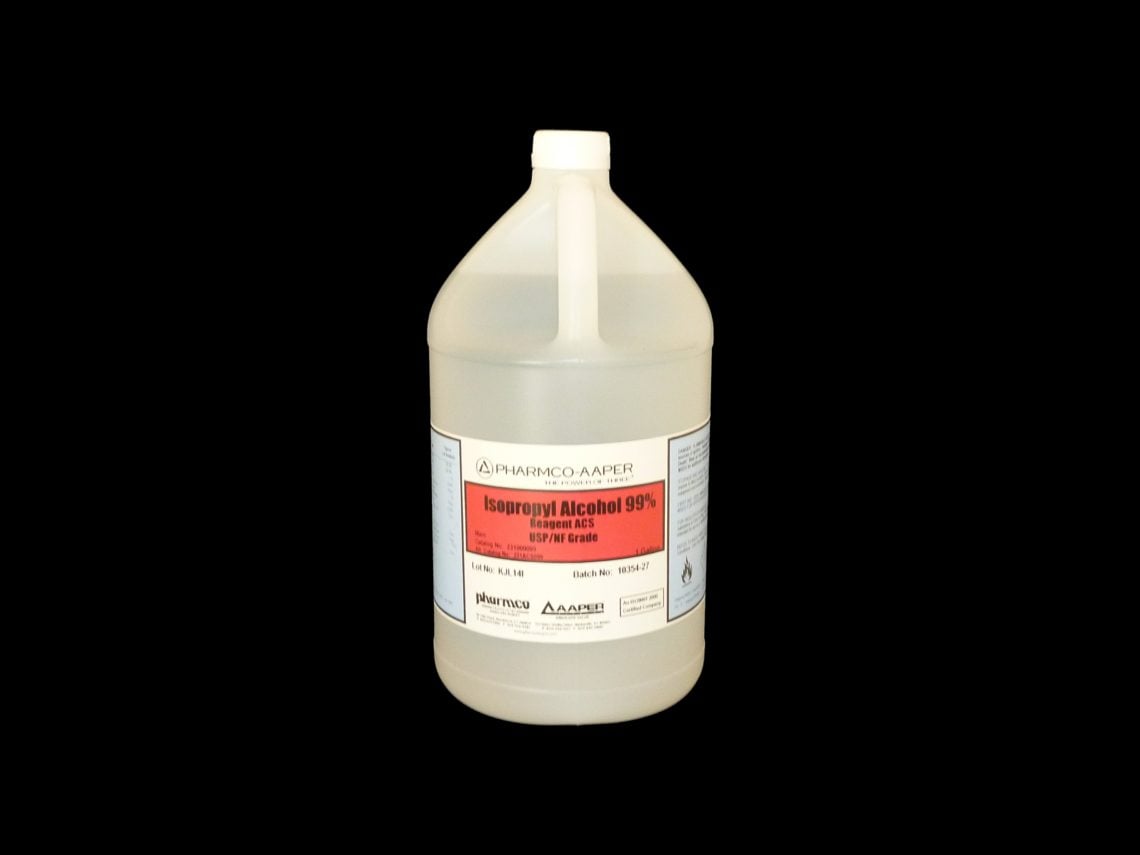
Why Is 70% Isopropyl Alcohol (IPA) a Better Disinfectant than 99% Isopropanol, and What Is IPA Used For?
How does one solution kill viruses and bacteria on contact, and the other not at all?
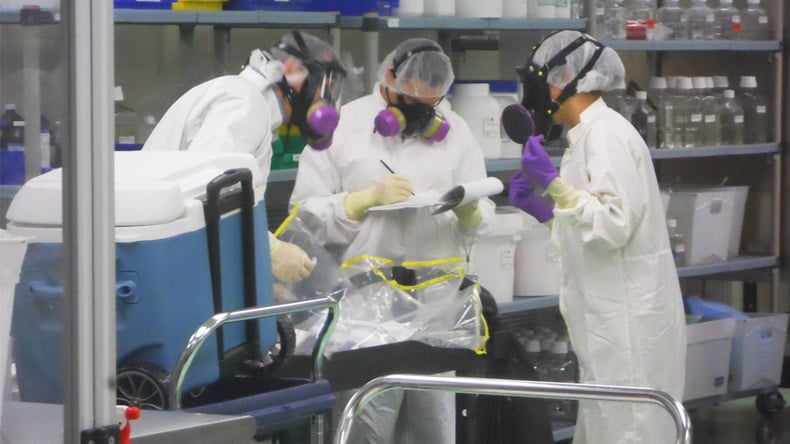
The Dangers of Isopropyl Alcohol
Hazards of Isopropyl Alcohol (IPA) As we’ve discussed in a previous post, there are many advantages of using isopropyl alcohol in the manufacturing process because of

Ultrasonic FAQs Answered by SharperTek
We offer a wide range of tabletop cleaners as well as automated multi-tank systems for large parts or high volumes of product. SharperTek does a great job
The Seven Deadly Sins of Cleanroom Wiping (and How to Avoid Them!)
1. Ignoring the Need to Wipe on a Regular Basis To assure quality is maintained in all cleanroom and restricted areas, housekeeping maintenance must be
Q & A with Bransonic Ultra Sonic Cleaners
Ultrasonic cleaning is faster, more consistent, and safer than any other method. Hand scrubbing, soaking, or steams don’t even come close. It’s powerful enough to remove
IPA as a Universal Cleaner: Advantages & Disadvantages of Isopropanol for PCBs & Electronics
Isopropyl alcohol (IPA) has become a standard in the Electronics Industry for cleaning printed circuit boards (PCBs) as it offers two main advantages: It’s cheap