

How Do I Properly Wipe Down Surfaces in Cleanrooms and Labs?
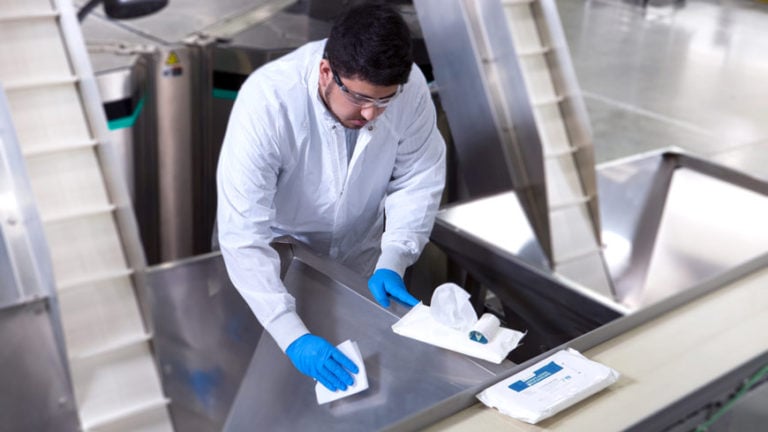
What are the proper steps for wiping surfaces, biological isolators, and laminar flow cabinets, and excess hazardous drugs?
Cleanroom Wipes for Pharmaceuticals: Pyrogen Testing Methods
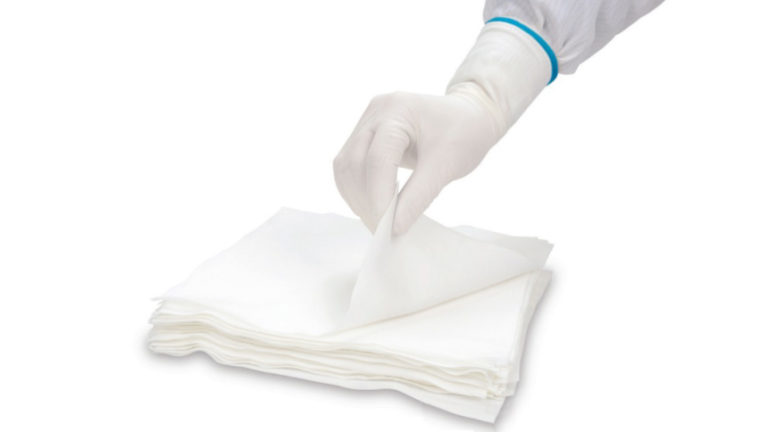
Cleanroom wipes and gloves undergo LAL and Agar Overlay Analysis when testing for pyrogen and endotoxin levels. This post details the methodology, historical relevance, and explores cleanroom solutions for pyrogen-free and low-endotoxin gloves and garments.
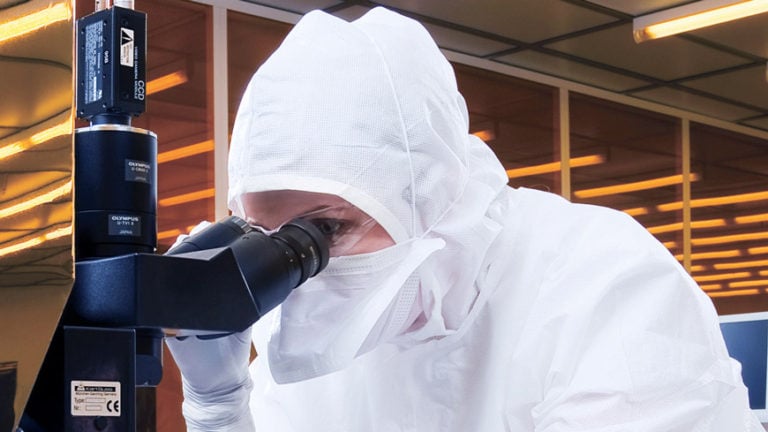
Particulate and Molecular Contamination Tests for Cleanroom Wipes and Fibers
The majority of wiper contamination tests probe for particles, fibers, ions, nonvolatile residue, and bio-contaminants. Cleanroom wipe test methods detail and measure the extraction and enumeration particles, fibers, and other contamination released from wipers (or other materials), usually in a wetted state, under conditions of moderate mechanical stress.
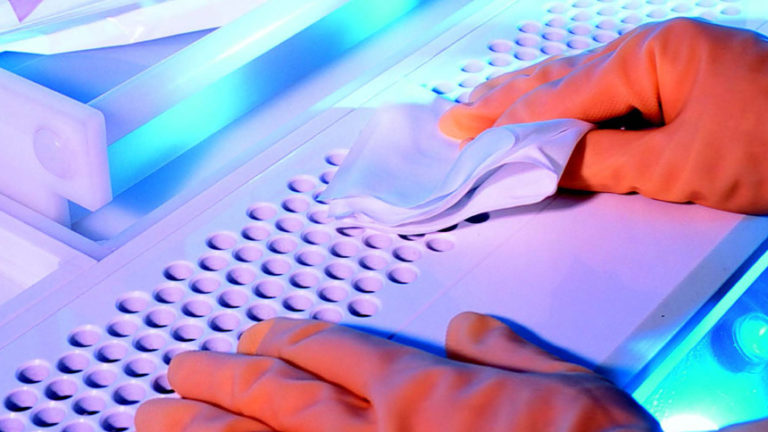
Cleanroom Wipe Contamination Profiles for Medical Device Wipedown & Electronics
The ideal cleanroom wipe must meet industrial and regulatory standards concerning chemical, physical, and biological compatibility. Wipe fabrics undergo a strict examination to simulate manufacturing outcomes in the real world.
Stretch and strength, chemical compatibility, task efficiency, sorbency, shed, retention, and biological harmony have unique consequences in both high-tech cleanrooms and general manufacturing floors.
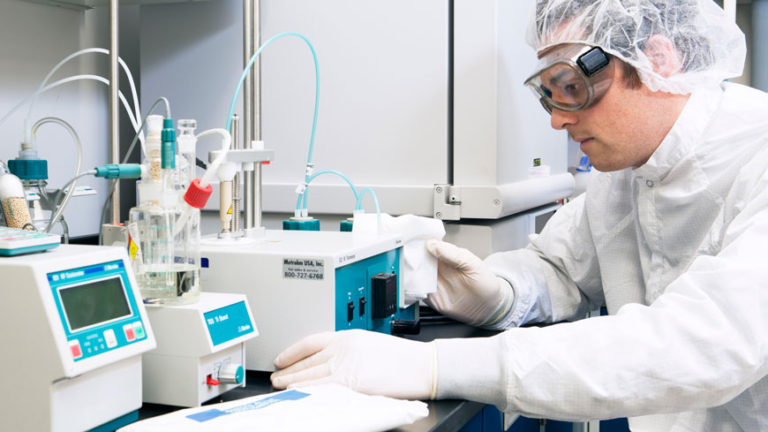
Cleanroom Wipe Testing Standards for ASTM, IEST & ISO Organizations
ISO cleanroom wipe classification is important, but is it enough? A clean room wipe selection criteria should meet baseline particulate shed thresholds for the end-user environment. Like any cleanroom rated product, cleanroom wipe manufacturers qualify ISO wipers between ISO Class 1 – ISO Class 9 as specified in step with cleanroom classifications of the International Standards Organization (ISO). The majority of cleanroom classifications fall between ISO 5 – ISO 8.
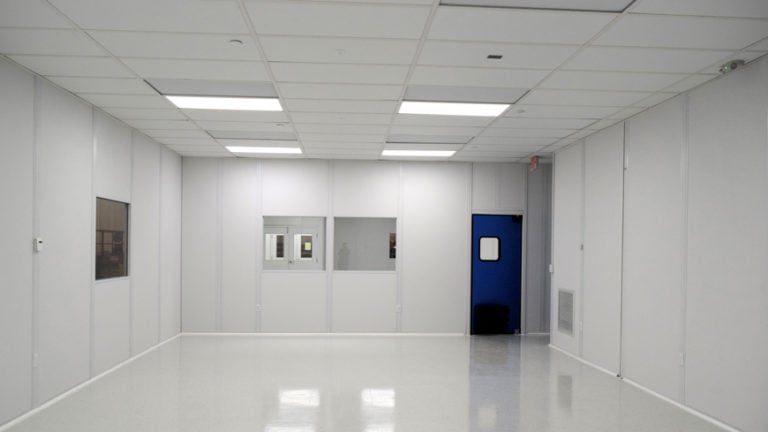
Medical Device Cleanroom Construction Part 8: Equipment, Storage, Pass-throughs, & Supplies
Facilities often choose PAC for cleanroom construction services because our vendor and manufacturing networks are not limited to any single brand-specific solution. PAC cleanroom expertise in your back pockets helps you overcome preliminary engineering challenges and consolidate your project management to a single point of contact.
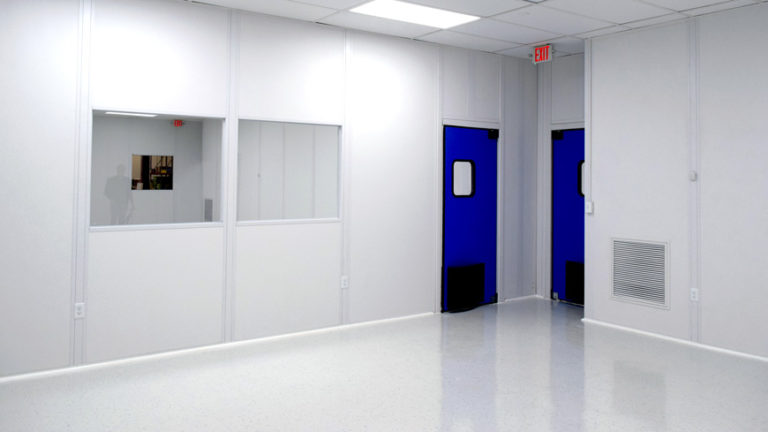
Medical Device Cleanroom Build Part 7: Cleanroom Validation Steps | Processes
What are the steps for medical device cleanroom validation? Cleanroom validation ensures cleanroom construction meets the performance standards set forth during cleanroom planning, cleanroom installation, and cleanroom calibration.
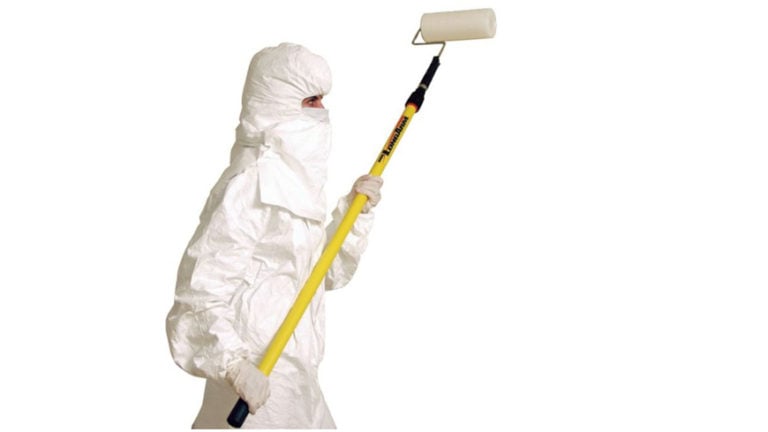
Cleanroom Sticky Rollers and Foam Mops for Walls Ceilings, and Floors
Cleanroom tacky rollers and sticky foam rollers remove particulate from flat and slightly textured surfaces within a cleanroom. Extendable mop handles with adhesive rollers on the ends allow easy access to cleanroom, floors, ceilings, and walls.
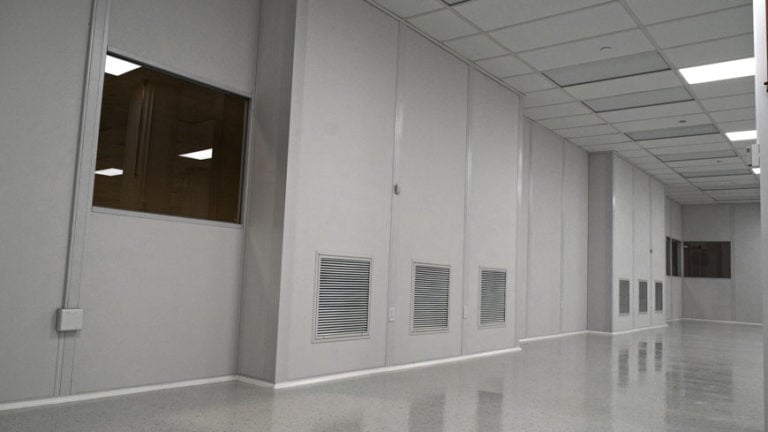
Medical Device Cleanroom Construction Part 6: Pressure Differentials, Humidity and Temperature Calibration
The central controller integrates the data from both the thermostats, fan filter processors, and room-side environmental sensors. Fan filter speed is then adjust by each group to achieve the specified room pressure while at ideal temperature and humidity.

Medical Device Cleanroom Construction Part 5: HVAC Balancing & Calibration
Before cleanroom validation, a cleanroom requires mechanical calibration. HVAC calibration first ensures that the room meets the performance parameters which would deliver the expected results during final ISO validation, such as differential pressure, air change rates, and uniform airflow distribution.
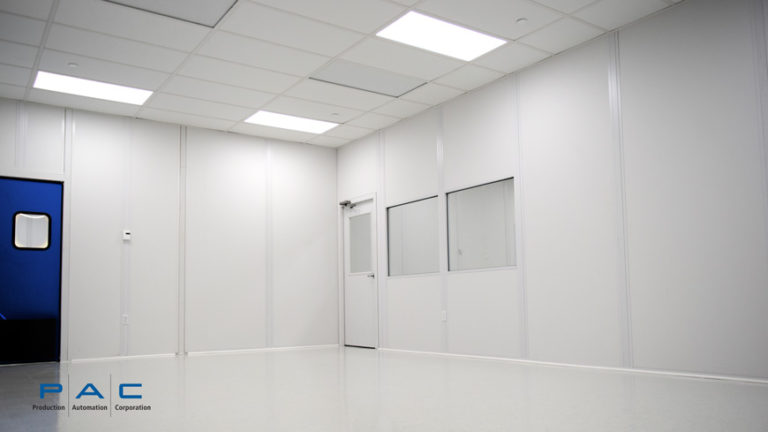
Medical Device Cleanroom Construction Part 4 – VCT Flooring Design
There are a few final preparations required before the final cleanroom flooring installation. Here’s what to expect and consider for cleanroom tile installations and flooring installation.
Cleanroom Fan Filter Testing and Maintenance – HEPA Filter Replacement and Troubleshooting
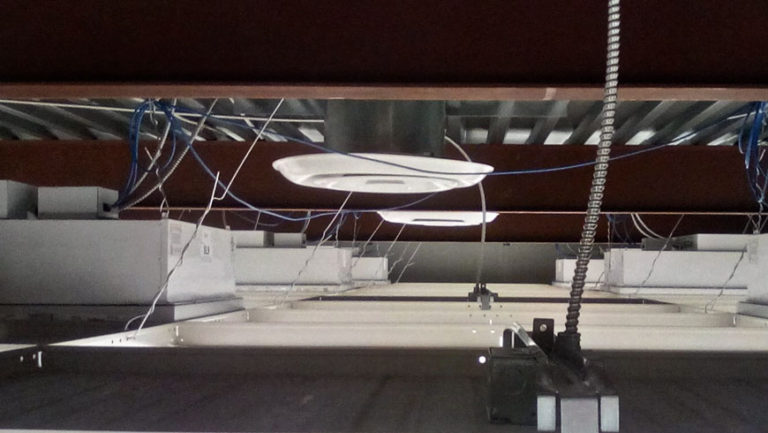
How do I know when to replace my cleanroom HEPA air filters? How do I test a cleanroom HEPA filter? What are the best practices for cleanroom HEPA filter replacement?

What Are the Differences Between Corona and Alpha Ionization?
This post covers the different types of static control ionization equipment and technologies. Which is best for your application?
Medical Device Cleanroom Construction Part 3: Fan Filter Units – Ceiling Grids
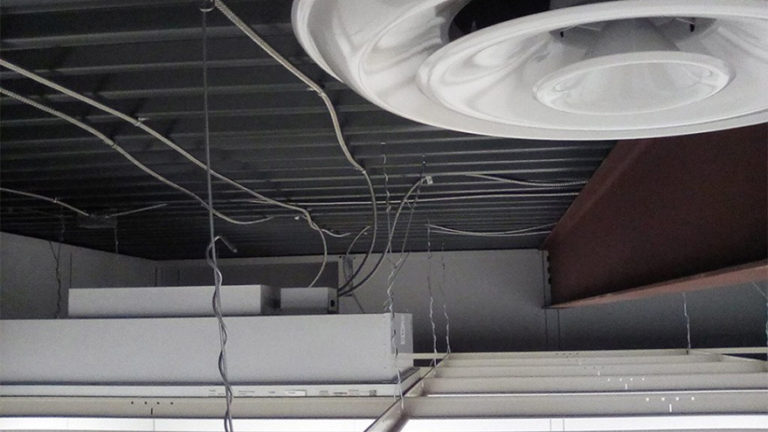
In this post, we overview technical considerations for clean room fan filter unit selection, installation, and features. You’ll learn how PAC approaches design and configuration
Medical Device Cleanroom Construction Part 2: Doors, Electrical, and Layout
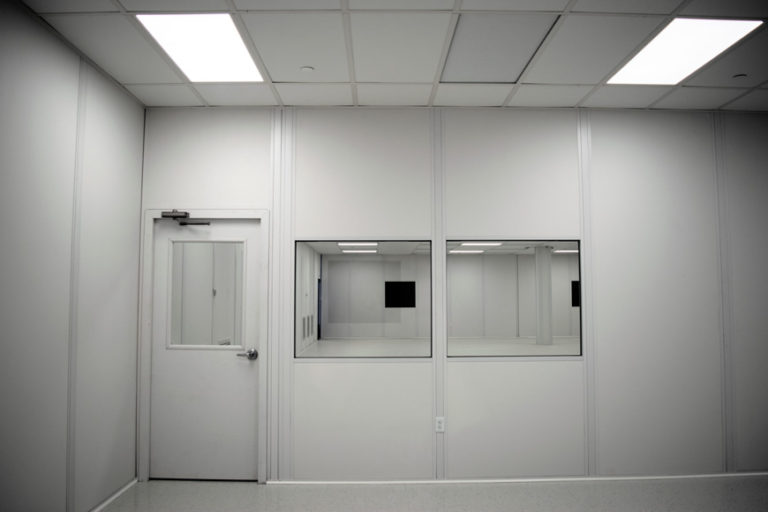
In medical device cleanrooms, a common configuration is an ISO 8 gowning room and ISO 7 primary production area. A cascading air flow design and
Medical Device Cleanroom Construction Part 1: Walls and Installation
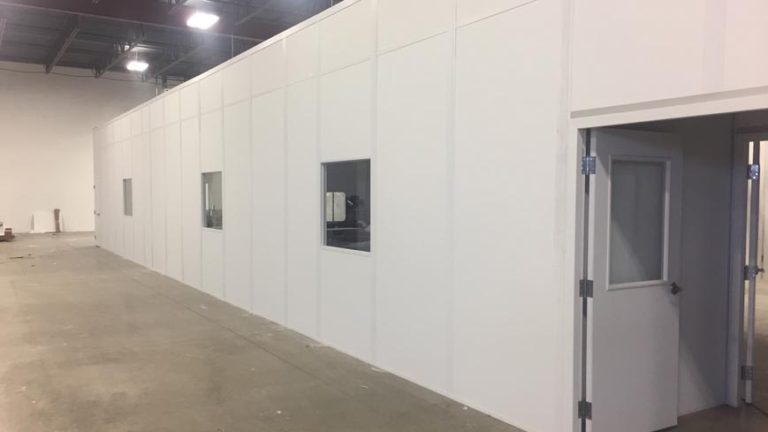
How is a medical device cleanroom built? Here’s a component-by-component guide to ISO Class 7 cleanroom construction.
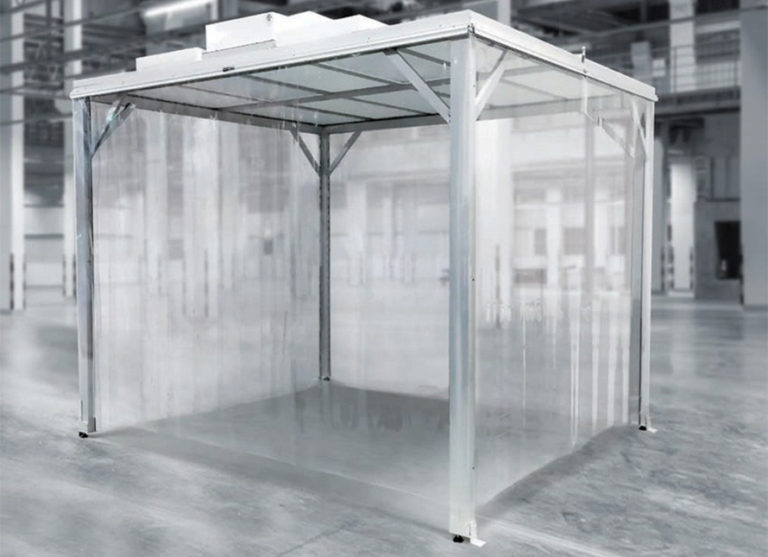
E-Liquid Clean Rooms – E-Liquid Labs and Cleanroom Classifications
What are the advantages of cleanrooms for e-liquids? What are the American E-liquid standards for the FDA, and ISO cleanrooms? Does the FDA require a cleanroom for e-liquids and e vape products?
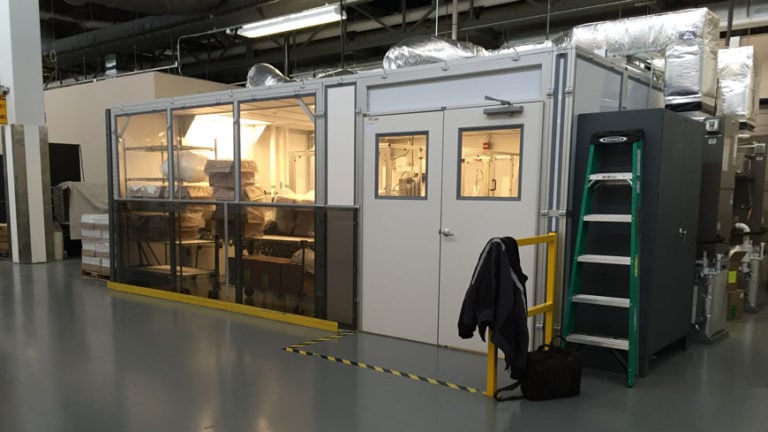
USP 800 Cleanroom Construction Hazardous Compounding: Options and Alternatives
There are a few options available to cleanroom facilities who require new upgrades for USP 800 compliance. The best option will depend on the variables
Polycellulose & Polyester Cleanroom Wipe Supplies
Here’s the guide to buying cleanroom wipes that stay on-budget. Differing package sizes, bulk counts, edge types, material options, cloth size, weights, ISO class, substrates, ionic levels…comparing cleanroom wipes is mind numbing. 50% of leading cleanroom wipe advertisers don’t even offer prices online!
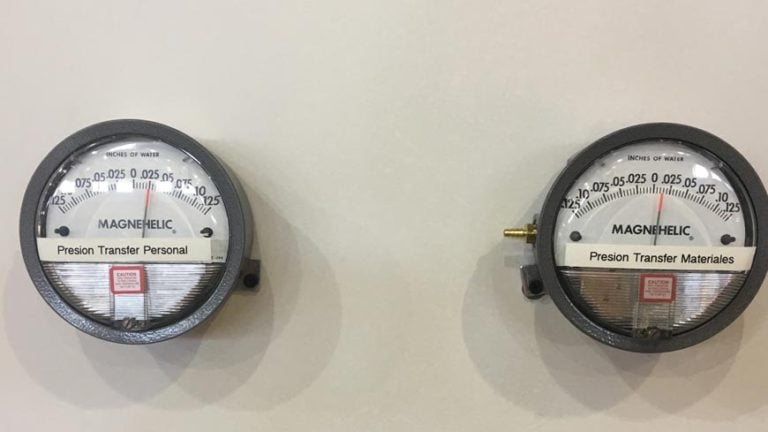
USP 800 Cleanroom Design – Negative Pressure Changes and Requirements
What equipment and engineering controls do USP 800 cleanrooms require? What types of storage and monitoring systems will I need?