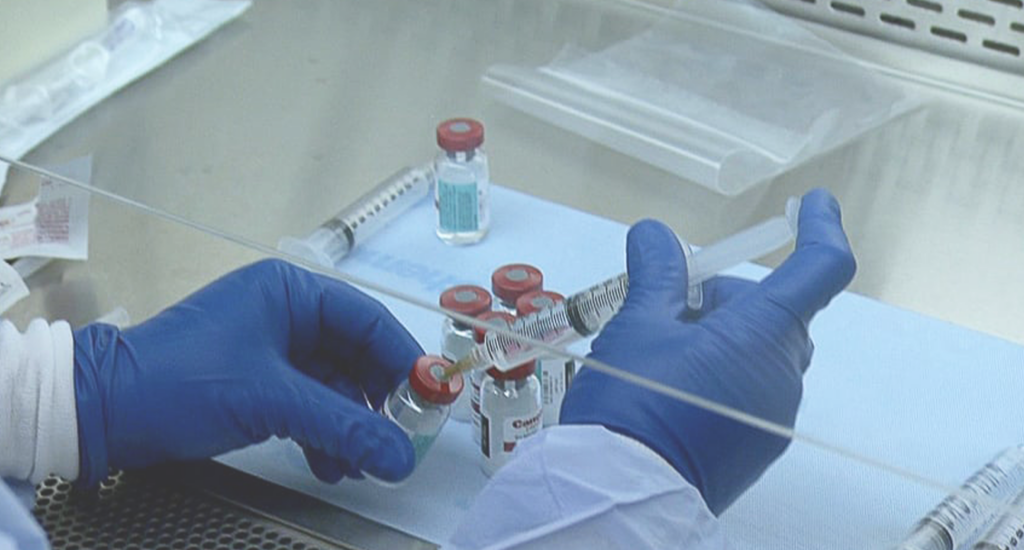
USP Chapters 795, 797, and 800 are the foundation for safe pharmaceutical compounding in healthcare and pharmacy environments. Together, they establish expectations for non-sterile and sterile compounding, as well as the handling of hazardous drugs (HDs), with the shared goal of protecting patients, staff, and the broader care environment.
In 2023, USP published significant revisions to Chapters 795 and 797. While these updates primarily address non-sterile and sterile compounding practices, they are relevant for facilities focused on meeting USP 800. The revised chapters clarify facility design, engineering controls, documentation, and personnel practices that directly influence hazardous drug workflows. For many organizations, understanding how these standards interact is essential for maintaining compliance, planning cleanroom upgrades, or constructing new compounding facilities.
What USP 795, 797 & 800 Govern
USP 795: Non-Sterile Compounding
USP 795 applies to the preparation of non-sterile compounded medications and is intended to ensure consistent quality, accuracy, and safety. The chapter addresses how compounding areas should be designed and maintained, emphasizing the importance of cleanable surfaces and the appropriate segregation of activities. It also outlines expectations for personnel training and competency, ensuring staff understand proper techniques and hygiene practices. Updated guidance on beyond-use dates (BUDs) defines how long a compounded preparation may be stored before use, while documentation and standard operating procedures (SOPs) support traceability and quality assurance.
USP 797: Sterile Compounding
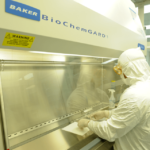
USP 797 regulates sterile compounding and is more prescriptive due to the higher risk associated with injectable, ophthalmic, and other sterile preparations. It establishes requirements for environmental controls, including cleanroom classifications based on ISO air cleanliness levels, as well as the use of primary engineering controls (PECs) such as laminar airflow workbenches and biological safety cabinets. The chapter also details personnel qualification requirements, including training, garbing, aseptic technique validation, and ongoing competency assessments.
Looking for expert guidance on a USP 797 Cleanroom design and build? Click here!
USP 800: Handling of Hazardous Drugs
USP 800 focuses on protecting healthcare workers, patients, and the environment from exposure to hazardous drugs. Unlike 795 and 797, USP 800 is enforceable and applies regardless of whether a hazardous drug is sterile or non-sterile. It builds on the practices outlined in the other chapters by adding specific requirements for containment, engineering controls, and workflow design when handling hazardous drugs. As a result, facilities often find that compliance across all three chapters overlaps significantly.
Looking for expert guidance on a USP 800 Cleanroom design and build? Click here!
The 2023 USP 795 & 797 Revisions: What’s New?
Significant Changes to USP 795
The 2023 revision of USP 795 introduces more clearly defined and enforceable standards for non-sterile compounding, with an increased emphasis on consistency and risk reduction. One of the most impactful updates is the formal restructuring of beyond-use dates (BUDs). Rather than relying primarily on professional judgment, USP 795 now assigns BUDs based on dosage form and specific compounding conditions. In the absence of stability data, most non-sterile preparations are limited to shorter default BUDs, which places greater responsibility on facilities to document formulations and storage conditions.
Facility requirements have also been clarified and expanded. USP 795 now requires non-sterile compounding to occur in a designated compounding area that is physically separated from incompatible activities, constructed of cleanable surfaces, and maintained under controlled conditions. Although these spaces are not required to meet a cleanroom classification, the standard clearly outlines expectations for organization, cleaning, and environmental control that were previously subject to broader interpretation.
Personnel requirements likewise have been strengthened. USP 795 now stipulates documented initial training and ongoing competency assessments for all compounding personnel. This includes demonstrating proficiency in compounding techniques, hygiene practices, and an understanding of assigned SOPs. Documentation and SOP requirements are now defined expectations that must be maintained and available for inspection.
Significant Changes to USP 797
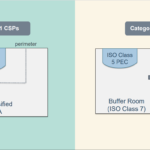
USP 797 underwent some of the most comprehensive revisions in its history, with changes that directly impact cleanroom design, certification, and daily operations. The chapter now clearly defines facility types and cleanroom classifications based on the category of compounding being performed. This includes updated requirements for ISO-classified spaces, pressure relationships, and air changes per hour, removing much of the ambiguity that existed in earlier versions.
Environmental monitoring requirements have been expanded and more precisely defined. USP 797 now specifies minimum frequencies for viable air and surface sampling, as well as clear expectations for corrective actions when excursions occur. In addition, dynamic certification testing performed under operational conditions has been formally mandated to ensure that cleanrooms perform as intended in real-world use, not just at rest.
Garbing and hand hygiene standards are now more prescriptive. USP 797 clearly defines garbing order, required components, and when garb must be changed. Hand hygiene procedures are explicitly detailed to reduce variability and contamination risk. Beyond-use dates for sterile preparations have also been restructured, with limits now directly tied to the compounding environment, level of aseptic control, and whether sterility testing is performed.
Cleaning and disinfection practices are another key area of revision. USP 797 now outlines required cleaning agents, frequencies, and documentation practices, along with updated definitions and risk categorizations that help facilities accurately determine which requirements apply to their compounding activities.
Why These Updates Matter for Facilities Complying with USP 800
For facilities that handle hazardous drugs, the revised USP 795 and 797 standards significantly influence how USP 800 compliance is achieved in practice. Hazardous drug compounding often occurs within the same physical spaces and workflows governed by 795 and 797, meaning changes to BUDs, facility design, and personnel practices directly affect hazardous drug handling.
The more precise engineering control requirements introduced in the revised chapters support stronger containment strategies, which are central to USP 800. Similarly, the expanded emphasis on documentation, training, and competency assessment aligns closely with USP 800 expectations for exposure prevention and accountability. Most importantly, the 2023 revisions reduce interpretation gaps in cleanroom construction, certification, and monitoring areas that have historically posed compliance challenges for facilities seeking to meet USP 800 requirements. Read more about USP 800 specific requirements here.
How the Updated Standards Work Together
Overlapping Requirements
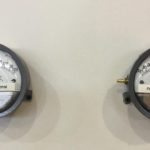
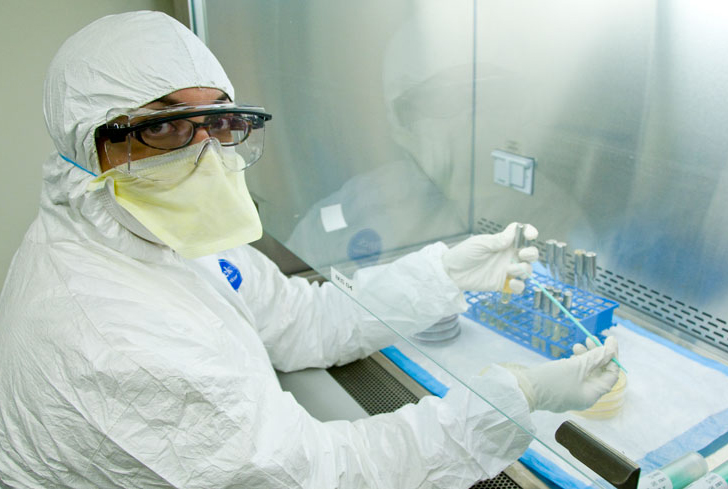
Although each chapter serves a distinct purpose, they share standard requirements that affect daily operations. Garbing and hygiene practices play a role in both contamination control and worker safety. Facility design considerations such as airflow, pressure differentials, and cleanable surfaces are critical across all standards, as are environmental monitoring programs that include air and surface sampling. When hazardous drugs are involved, all three chapters reinforce the need for effective containment strategies.
Key Differences to Understand
USP 795 and 797 are distinguished primarily by the type of compounding performed, with 795 addressing non-sterile preparations and 797 governing sterile compounding under more controlled conditions. USP 800, by contrast, is centered on preventing hazardous drug exposure rather than on compounding methodology. Understanding these differences helps facilities apply the correct requirements without over- or under-engineering their spaces. Read more here.
What These Updates Mean for Your Cleanroom or Compounding Workflow
Assessing Your Current Facility
Facilities should begin by taking a close look at their existing compounding environments. This includes evaluating engineering controls and room configurations, reviewing cleanroom certification and environmental monitoring schedules, and examining SOPs, training records, and documentation practices. Identifying gaps early allows organizations to plan proactively rather than respond reactively to compliance issues.
When to Upgrade or Rebuild
The 2023 standards may prompt renovation or new cleanroom construction in several situations, such as changes in compounding volume, increased risk level, or the introduction of new hazardous drugs. Facilities may also find that existing spaces cannot meet updated airflow, pressure, or containment requirements. The revised guidance has direct implications for airflow design, wall systems, ceiling components, and containment rooms, particularly when transitioning from USP 797-only compliance to full alignment with USP 800. Read about how to upgrade a 797 cleanroom to a USP 800 cleanroom here.
Operational Impacts
Beyond physical space, facilities should anticipate operational changes. These may include expanded training and competency assessments, revisions to SOPs and documentation systems, and adjustments to testing and certification timelines for cleanrooms and PECs. Addressing these impacts holistically helps ensure long-term compliance and operational efficiency.
PAC’s Solutions for USP 795, 797 & 800 Compliance
Cleanroom Design & Construction Support
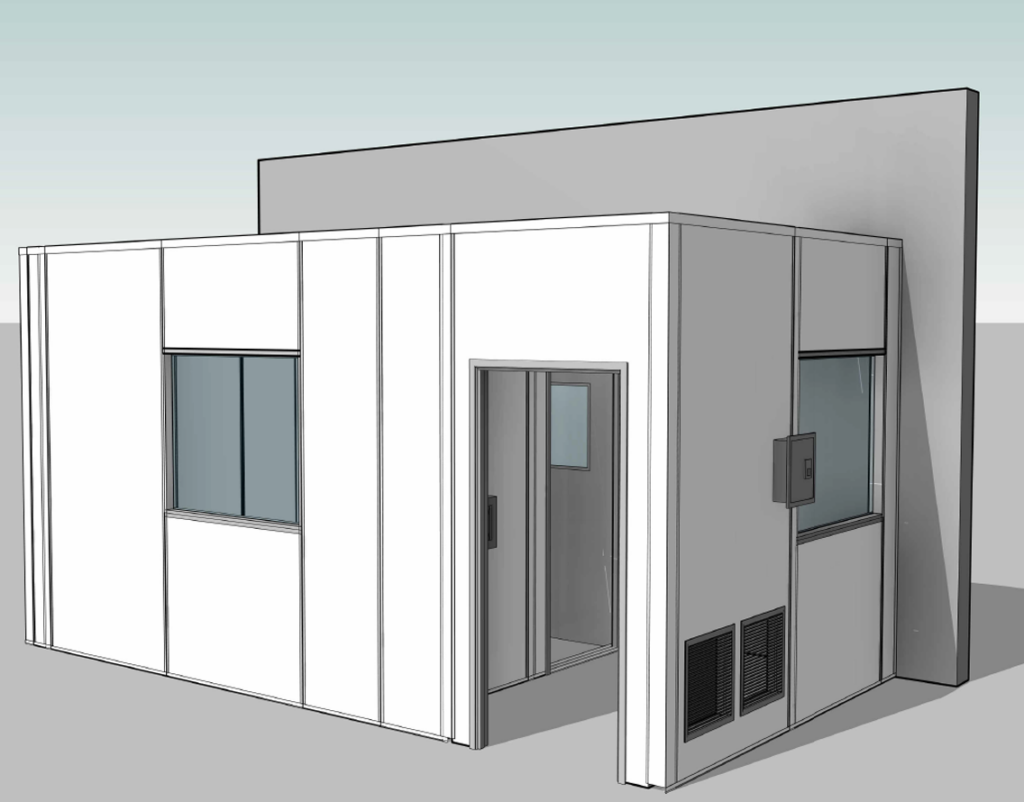
PAC provides comprehensive cleanroom design and construction services that support compliance with USP 795, 797, and 800. Our team works with healthcare and pharmacy facilities to create environments tailored to both sterile and hazardous compounding, from initial assessment through final certification.
Products That Support Ongoing Compliance
In addition to design and construction support, PAC offers a full range of products to help facilities maintain compliance over time. These include cleanroom garbing and apparel, contamination-resistant and ESD-safe materials, cleanroom furniture and equipment, environmental monitoring solutions, and hazardous drug storage and containment products. By combining technical expertise with practical, compliant solutions, PAC helps organizations navigate evolving USP standards with confidence and clarity.