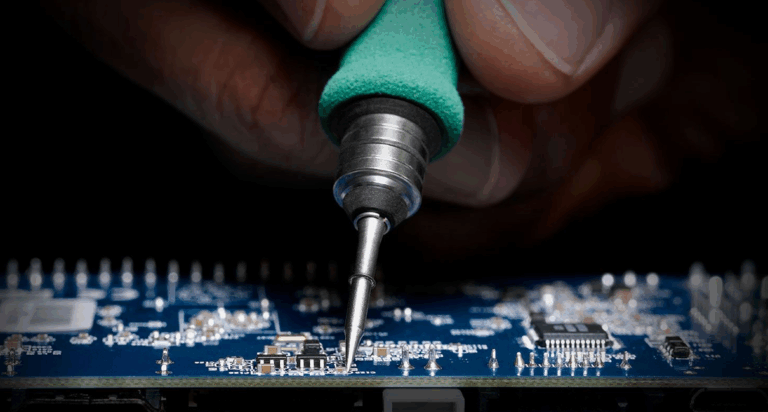
Common Mistakes in Micro Soldering and How to Avoid Them
Micro soldering involves precision work on tiny and sensitive components. Even the most minor oversight can result in expensive and irreversible damage, such as lifted

Micro soldering involves precision work on tiny and sensitive components. Even the most minor oversight can result in expensive and irreversible damage, such as lifted
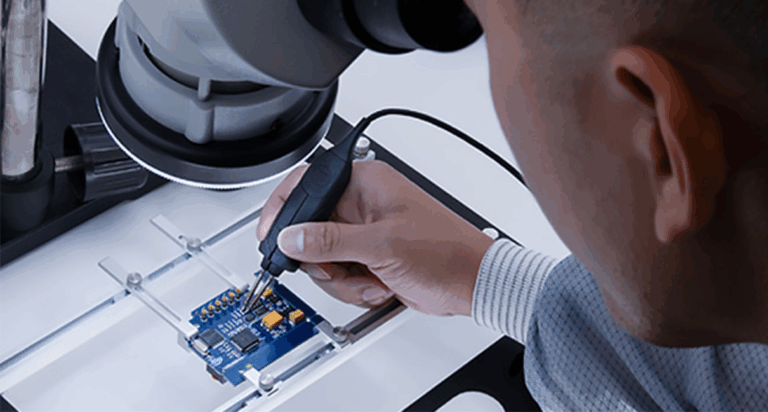
Selecting the Right Products for Precision Micro Soldering When it comes to micro soldering, even the smallest details make the biggest difference. High-quality and reliable
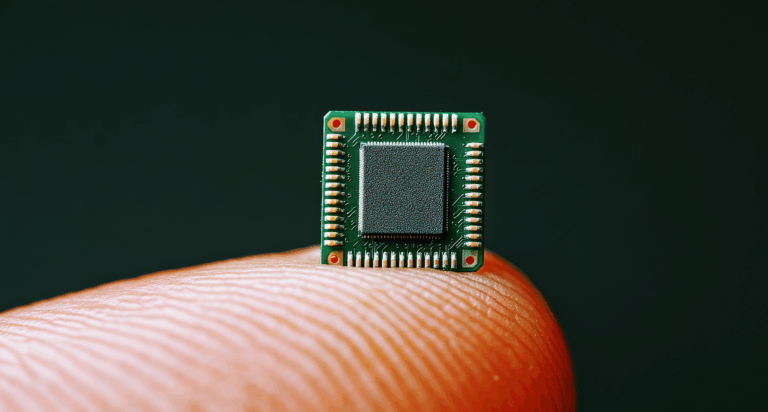
The Tiny Tools Making a Big Impact In an age when electronics are smaller, faster, and more complex than ever, the tools and methods for
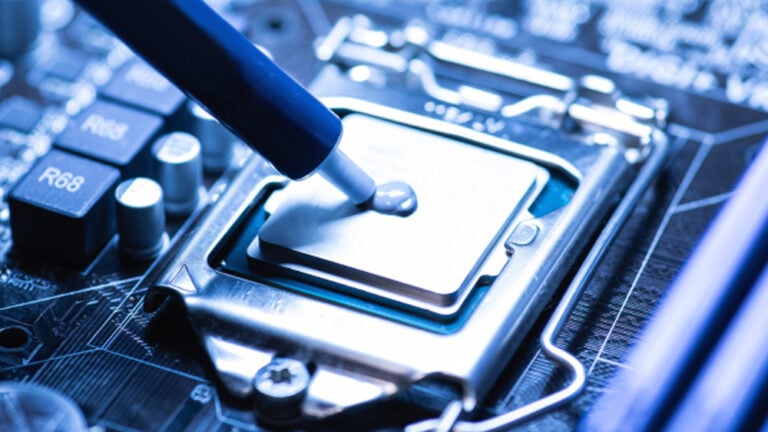
The Electronics Manufacturing, Medical Device, Aerospace, and Defense Industries The function of thermal interface materials is to fill the gaps between heat-generating components and heat
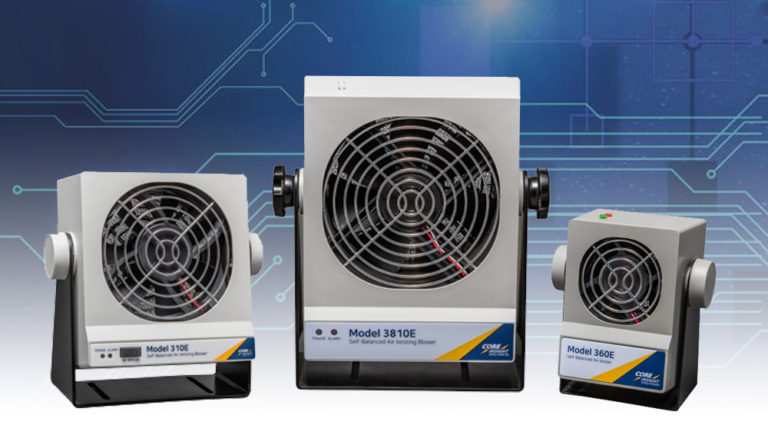
Static charge must be controlled in today’s electronics manufacturing environments. Without effective control, static charge will cause electrostatic discharge (ESD) to components as well as
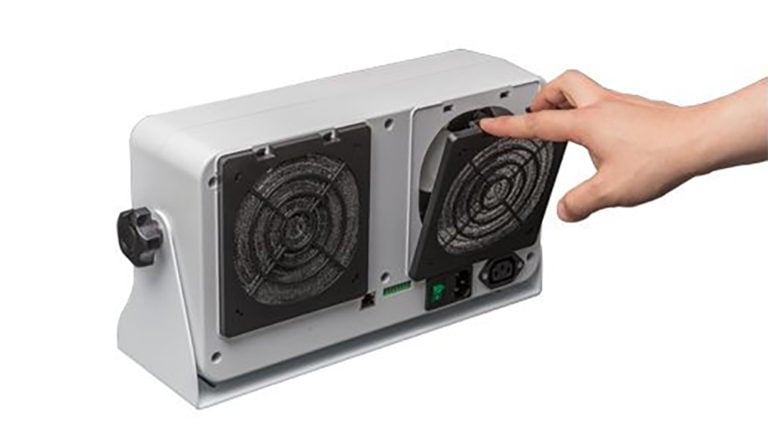
What equipment in your manufacturing environment is maintenance free? The answer is simple: none. As with all other equipment, ionizers used for static charge and
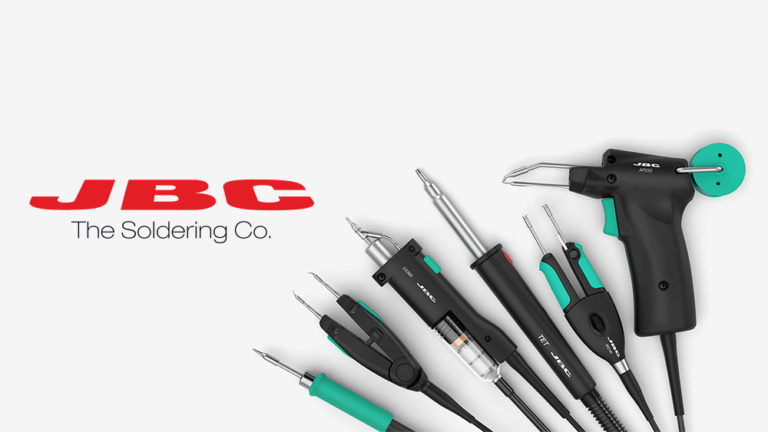
#1. Solder at Lower Temperatures The combination of High-Power Mass Ration Tips and an Integrated Heater / Thermocouple delivers lower soldering temperatures and the best
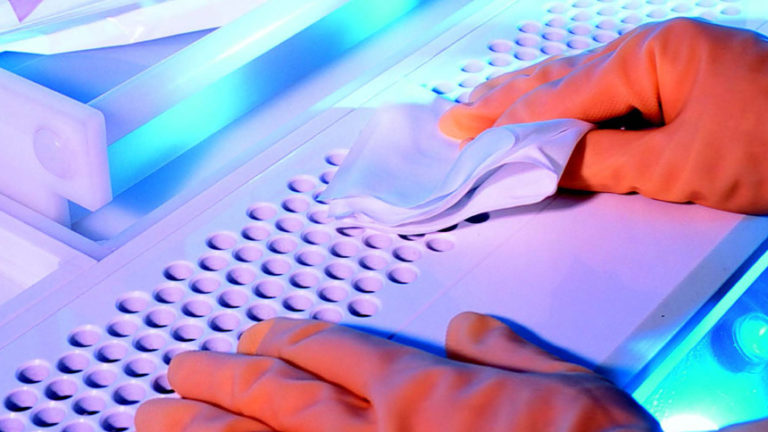
The ideal cleanroom wipe must meet industrial and regulatory standards concerning chemical, physical, and biological compatibility. Wipe fabrics undergo a strict examination to simulate manufacturing outcomes in the real world.
Stretch and strength, chemical compatibility, task efficiency, sorbency, shed, retention, and biological harmony have unique consequences in both high-tech cleanrooms and general manufacturing floors.
Polymeric resin-bonded stencil wipes encourage solder paste and adhesive retention. The fabric density performs better under vacuum than paper-based products. Air is able to pass through the microstructures and permit uniform contact with the board under squeegee pressure for a controlled removal.

Surgery and other medical procedures require precise, clean, and well maintained instruments. Dirty surgical instruments are more common than one might think. Post-cleaning inspection devices
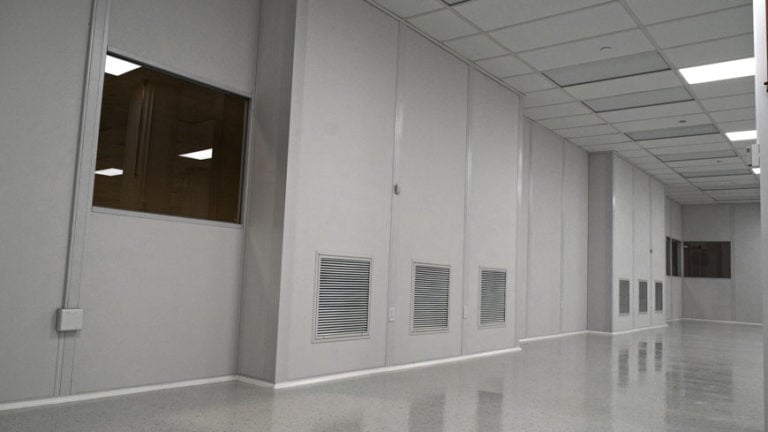
The central controller integrates the data from both the thermostats, fan filter processors, and room-side environmental sensors. Fan filter speed is then adjust by each group to achieve the specified room pressure while at ideal temperature and humidity.
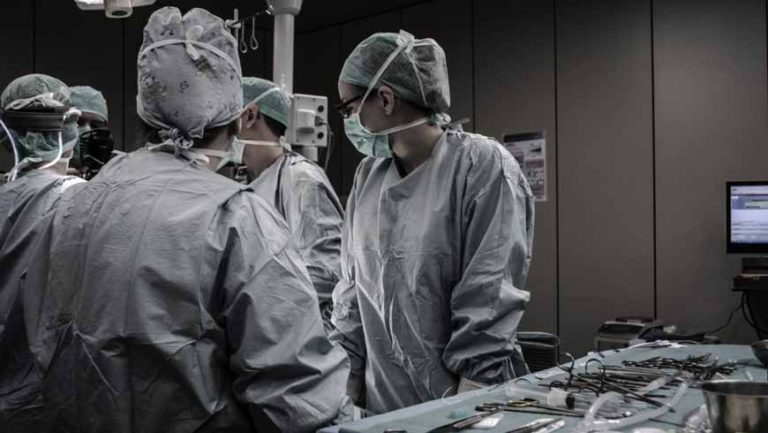
What Kind of Cleanroom Do I Need for a Class II Medical Device? What About Class III? This post classifies medical device cleanrooms for manufacturing and packaging.
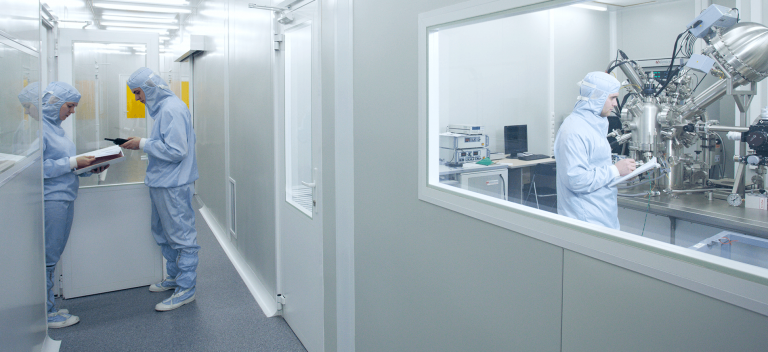
Our friends at Simco-Ion sent us this brilliant guide to ESD cleanrooms design, principles, and other considerations. Download the PDF you’ll find case studies and technical information about how static charges influence particle retention and impact manufacturing outcomes in controlled environments. Below we’ve highlighted important ideas in relation to medical device cleanrooms and provide additional resources.
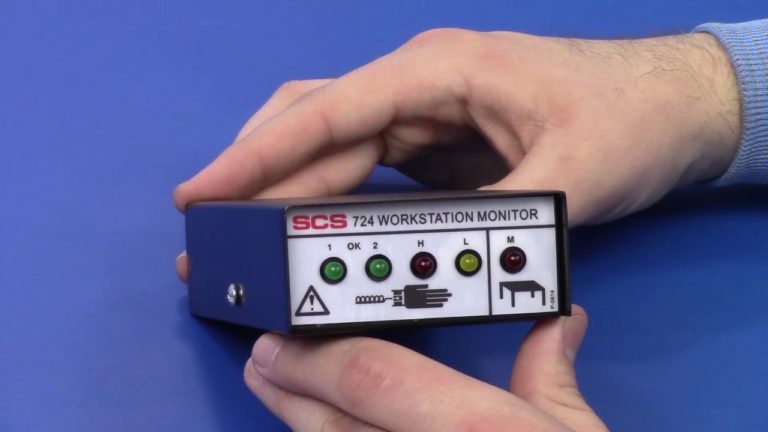
Reposted from Our Vendor SCS-Static-Control Solutions Dual wire ESD monitors and ESD wrist straps are the most common personnel grounding device to ground operators. In today’s
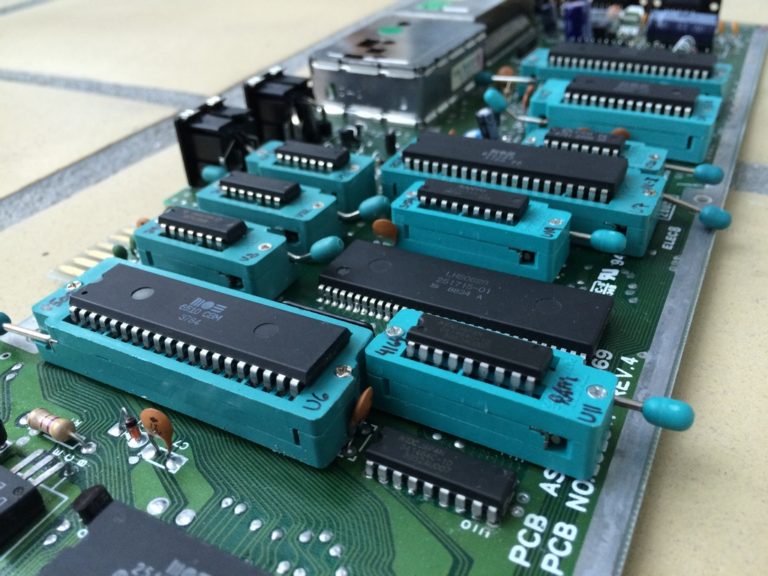
Overall size and method of attachment is crucial to ideal fit and function. Off-the-shelf solutions don’t always fit specific requirements for outdated or rare hardware. Custom designed IC sockets accommodate rare device configurations, odd sizes, and alternate mounting configurations.

Why Is Static Dissipative PVC a Better Option than Acrylic?
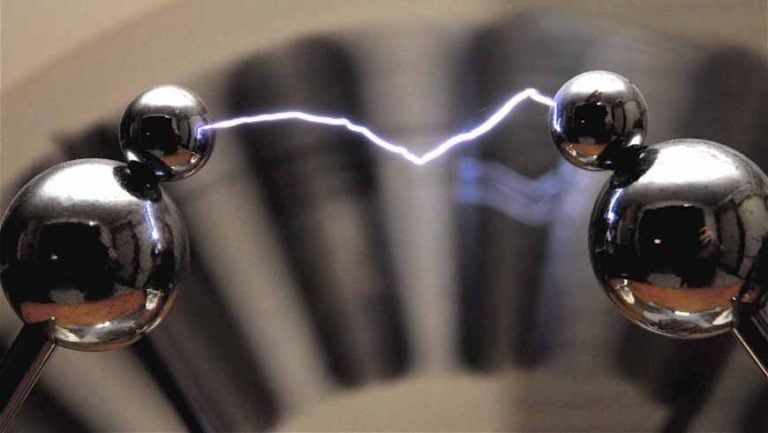
What is Air Ionization and How Does it Work? Air ionization neutralizes static charge on insulated and isolated objects by producing a balanced source of
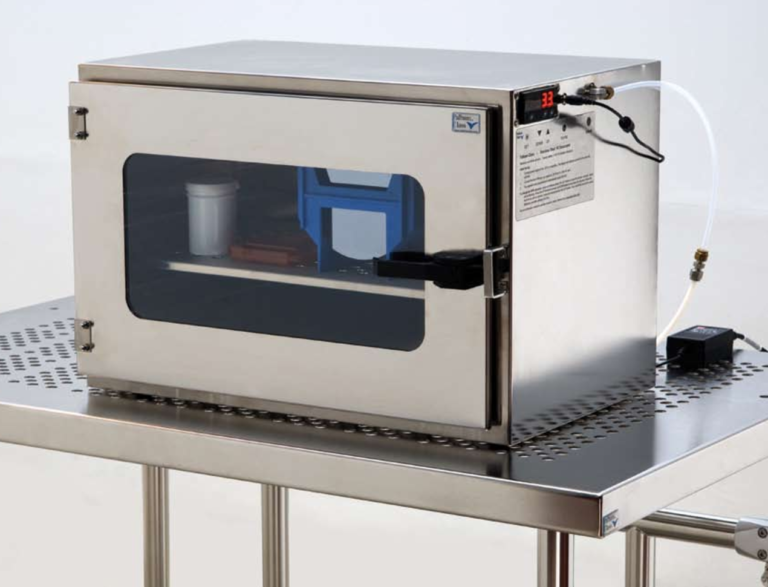
Manufacturing Uses of Desiccator Cabinets for Printed Circuit Boards (PCBs) The discussion regarding ‘dry box’ or desiccant storage of MSD’s (Moisture Sensitive Devices) has increased
Electrostatic discharge (ESD) can silently damage electronic components, resulting in significant costs to companies, including lost time, resources, and damage to their reputations. That’s why
Many electronic circuit board assemblies contain both active and passive components; some of these components, particularly semiconductors, may be sensitive to damage from static electricity,