
AI is driving a new era of data center growth and increasing demand for high-performance infrastructure. Unlike traditional data centers, AI facilities rely on high-density server racks and GPU clusters that generate significantly more heat, consume more power, and place greater demands on cooling systems. As computing densities continue to increase, even minor disruptions to airflow, temperature control, or facility organization can have a greater impact on equipment performance and operational reliability.
AI data centers house dense clusters of servers, networking, and storage systems that continuously process large volumes of data, making uptime, cooling efficiency, and hardware protection more critical than ever. For long-term success, environmental management is as vital as the more commonly discussed areas of computing, energy, and cooling. Maintaining a clean, organized facility supports thermal performance, protects sensitive equipment, and creates the foundation for reliable, scalable operations.
Environmental Control Is About More Than Dust
Environmental management in AI data centers extends beyond reducing contamination. Airflow management, thermal performance, workspace organization, and maintenance practices help facilities maximize equipment reliability, reduce operational risk, and support long-term uptime.
Airflow Optimization and Cooling Efficiency
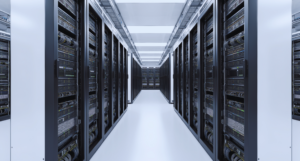
AI servers generate significantly more heat than traditional computing hardware. Efficient airflow becomes essential to maintaining stable operating temperatures. Cooling systems rely on unobstructed pathways to deliver conditioned air to equipment and remove heat generated by high-density server racks. Many modern facilities also use hot-aisle/cold-aisle layouts or containment strategies to separate supply and exhaust air, improving cooling efficiency and reducing energy consumption.
Facility design plays a critical role in supporting these airflow patterns. Clear service aisles, effective cable routing, and designated storage areas reduce obstructions that can disrupt cooling performance and create localized hot spots. Implementing standardized storage systems and cable management infrastructure helps maintain these conditions while supporting safer, more efficient maintenance activities.
Protecting Sensitive Hardware from Particulate Buildup
Even in highly controlled environments, dust and airborne particles can enter a facility. Whether through routine maintenance, equipment deliveries, packaging materials, or ongoing infrastructure upgrades, over time, contamination can accumulate. Cooling fans, air intakes, and electronic components may be impacted, reducing cooling efficiency and increasing wear on sensitive equipment.
Maintaining a clean environment requires more than air filtration alone. Protecting sensitive components before installation and minimizing debris movement throughout the facility require disciplined housekeeping practices supported by enclosed storage cabinets, organized shelving, dedicated workstations, and appropriate material-handling equipment. Combined with environmental monitoring and preventive maintenance, these measures help maintain consistent operating conditions and extend hardware reliability.
Monitoring Environmental Conditions
Continuous environmental monitoring provides operations teams with real-time visibility into conditions that can affect equipment performance and reliability.
Temperature, humidity, particles, and differential pressure sensors help identify developing issues before they lead to equipment failures or unplanned downtime. Teams can use environmental monitoring to confirm cooling effectiveness, spot alterations due to new installations or facility changes, and base maintenance choices on actual operational data instead of assumptions.
When combined with preventive maintenance programs, environmental monitoring helps create a more predictable and resilient operating environment for AI infrastructure.
Additional Reading: How to Choose the Right Cleanroom Particle Counter
Preventing Overheating and Performance Degradation
Thermal management depends on more than cooling capacity. As rack densities increase, facilities must continuously monitor environmental conditions. Many organizations also follow industry guidance, such as ASHRAE thermal recommendations, when establishing acceptable temperature and humidity ranges that protect IT equipment while balancing energy efficiency.
Preventive maintenance plays an equally important role. Regular inspections of cooling pathways, air filters, cable routing, and rack temperatures help identify developing issues before they affect equipment performance. Modular workstations, organized storage systems, and mobile maintenance carts allow technicians to complete repairs and upgrades efficiently without introducing unnecessary clutter into critical operating areas. Together, these practices help maintain consistent operating temperatures and reduce the likelihood of thermal-related performance issues.
Supporting Uptime and Operational Continuity
Maintaining uptime depends on efficient day-to-day operations. When technicians can quickly locate tools, replacement parts, and documentation, routine maintenance becomes faster and less disruptive, reducing the potential for human error and unnecessary downtime.
For example, during a server refresh, staging replacement hardware on dedicated mobile workstations rather than directly in equipment aisles helps reduce clutter, limit particulate exposure, and preserve critical airflow pathways while technicians complete installations. Standardized storage systems, maintenance workstations, material-handling equipment, and organized workflows support these processes by improving equipment accessibility and streamlining service activities.
Infrastructure Systems That Support Reliable Data Centers
Environmental management is not achieved through cleaning practices alone. The infrastructure systems that support daily operations play a significant role in maintaining facility organization, workflow efficiency, and equipment protection.
Organized Storage Systems for Tools, Components, and Supplies
Data centers require a wide range of tools, spare components, cables, consumables, and maintenance supplies. Without dedicated storage systems, these materials can quickly contribute to workspace clutter and operational inefficiencies.
Structured storage solutions improve inventory visibility, reduce the time required to locate critical components, and help protect sensitive electronics from contamination or accidental damage. By ensuring replacement parts and maintenance supplies are readily available, organized storage systems also help shorten maintenance windows and reduce service interruptions.
Mobile Carts and Material Handling Solutions
Routine maintenance, equipment deployments, and hardware replacements often require technicians to transport tools and components throughout the facility.
Mobile carts and material-handling equipment streamline maintenance, equipment deployments, and hardware replacements by providing organized, transportable work platforms. They improve workflow efficiency, reduce the risk of equipment damage, and help maintain cleaner work areas by keeping tools and components organized during maintenance.
Modular Workstations for Maintenance and Operational Workflows
Maintenance activities often involve staging equipment, preparing components, documenting procedures, and performing inspections. Dedicated workstations provide structured environments for these tasks while reducing the likelihood of misplaced tools or materials.
Modular workstation systems can be configured to meet specific operational requirements, helping teams establish standardized maintenance processes across the facility.
Cable Management and Workspace Organization
Cabling infrastructure represents one of the most critical components of data center operations. Poor cable organization can complicate maintenance procedures, restrict airflow, and increase troubleshooting time during service events.
Effective cable management systems improve visibility, simplify maintenance access, and support cleaner infrastructure layouts. Organized cable routing also reduces the risk of accidental cable disturbance during maintenance, speeds hardware replacements, and makes it easier for technicians to identify power and network connections when troubleshooting equipment.
Supporting Efficiency Through Better Facility Design
A data center’s physical layout directly affects airflow, maintenance efficiency, and day-to-day operations. Incorporating environmental management into facility design helps improve both performance and scalability.
The Relationship Between Layout and Airflow Performance
Facility layouts influence how air moves throughout the environment. Equipment placement, storage locations, maintenance zones, and aisle configurations can all impact airflow patterns.
Strategic facility design helps minimize obstructions while supporting the performance of cooling infrastructure. Separating storage areas from critical airflow pathways can reduce congestion and help maintain consistent cooling conditions across the facility.
As AI deployments continue to increase rack densities, facility design decisions become increasingly important for maintaining thermal efficiency.
Reducing Workflow Bottlenecks and Maintenance Disruptions
Operational efficiency depends on technicians’ ability to move safely and efficiently throughout the facility. Congested pathways, poorly organized work areas, and inadequate staging locations can slow maintenance activities and increase the potential for errors.
Well-organized facility layouts help reduce workflow bottlenecks by creating designated areas for maintenance, equipment staging, storage, and operational support activities.
These improvements enhance productivity and contribute to safer, more predictable operational environments.
Creating Scalable Environments for Growing AI Infrastructure Demands
AI infrastructure growth often requires frequent hardware upgrades, capacity expansions, and facility modifications. Organizations that prioritize scalable infrastructure planning are typically better positioned to accommodate these changes without introducing unnecessary operational complexity.
Flexible layouts, modular equipment systems, and organized operational workflows help facilities adapt to evolving business requirements while maintaining consistency and reliability.
Scalability and Long-Term Infrastructure Planning
The rapid pace of AI adoption is reshaping how organizations approach infrastructure planning. Data centers are no longer static environments. Instead, they must continuously evolve to support changing computational demands, emerging technologies, and growing capacity requirements.
AI Expansion Is Driving Continuous Facility Evolution
AI infrastructure is evolving rapidly as organizations deploy higher-density server racks, larger GPU clusters, and increasingly sophisticated cooling systems. These changes require facility upgrades, equipment relocations, and workflow adjustments, placing new demands on operational infrastructure.
Scalable storage systems, modular workstations, mobile material-handling equipment, and adaptable facility layouts allow operations teams to respond to these changes without disrupting day-to-day activities. Infrastructure designed for flexibility helps facilities accommodate future expansion while maintaining operational consistency and reliability.
Planning for Future Operational Needs Without Sacrificing Reliability
Long-term success requires balancing growth with operational stability. As organizations continue expanding AI capabilities, maintaining clean, organized, and efficient environments becomes increasingly important.
Infrastructure decisions made today influence future performance, maintenance efficiency, and scalability. Prioritizing environmental control and organized workflows helps create resilient facilities that support both current and future AI infrastructure demands.