USP 800 Cleanroom Design – Negative Pressure Changes and Requirements
What equipment and engineering controls do USP 800 cleanrooms require? What types of storage and monitoring systems will I need?

What equipment and engineering controls do USP 800 cleanrooms require? What types of storage and monitoring systems will I need?
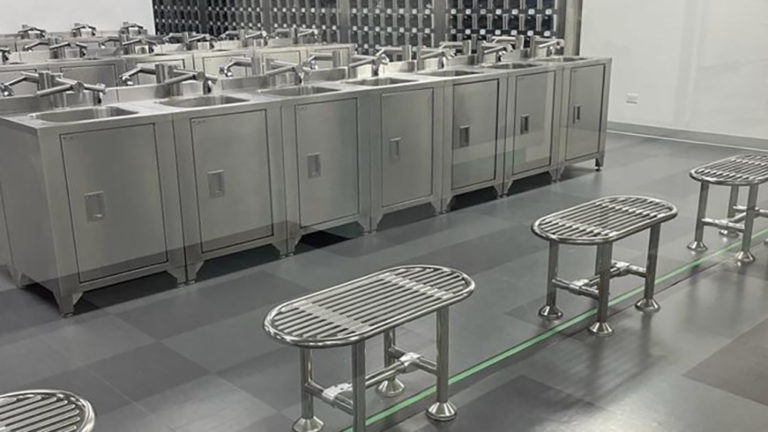
A gowning room has many variables. There is no mathematical formula when determining the features, surfaces, and HVAC requirements best suited for your application. Space requirements, volume of operators, aseptic workflows, material choice, and even aesthetics all factor into design considerations. Most facilities benefit from contacting a controlled environment specialist who can identify critical product sensitivities, storage requirements, and operational standards.
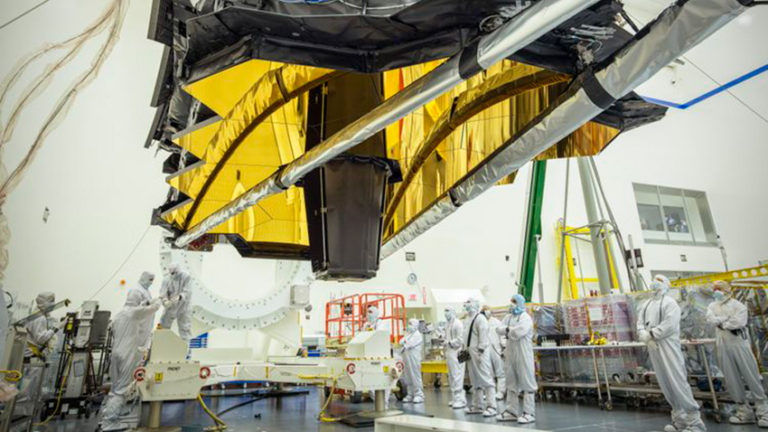
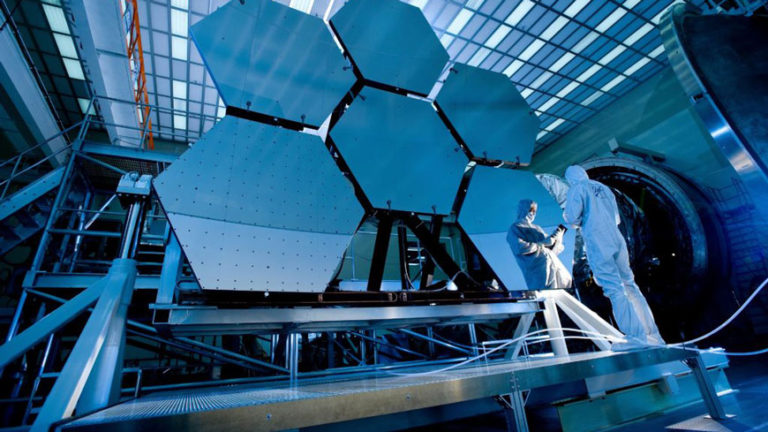
For communication satellites that remain within earth’s orbit, an ISO Class 6-8 cleanroom allows sufficient particle and contaminant control. Cleanroom engineers design each space so that particles from production surfaces are whisked away from critical components. A combination of softwall production areas and hardwall cleanroom facilities provide isolation of critical tasks.
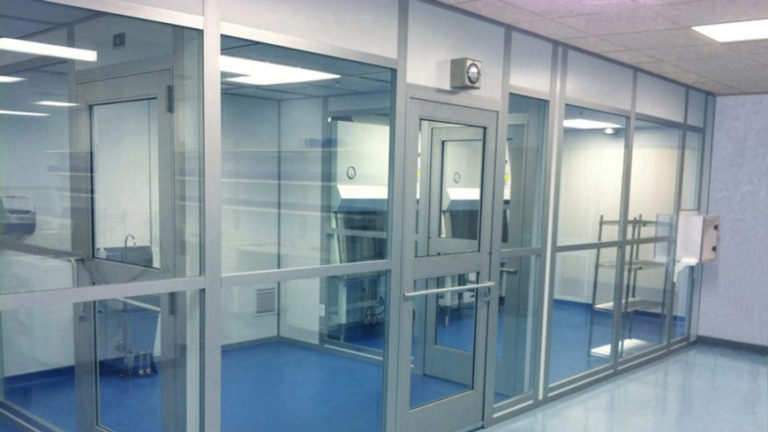
Pre-engineered fabrication consolidates scheduling with minimal disruption and fewer variables. Difficult or expensive upgrades avoid overbearing noise, construction artifacts, and minimize if not eliminate the burden on facility staff for project management.
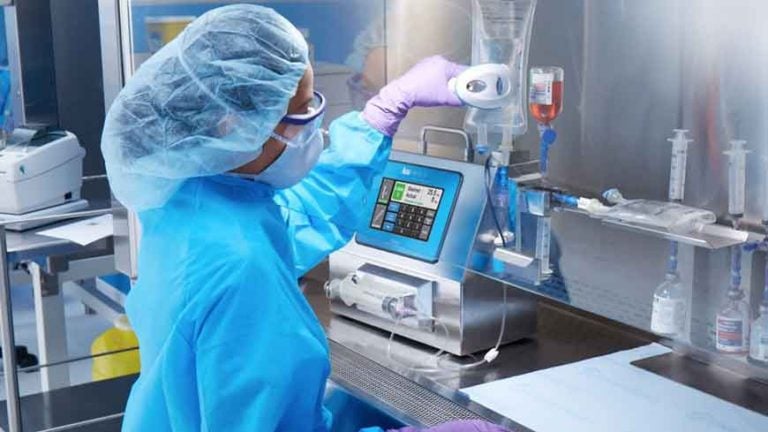
USP Chapter 797 cleanroom design requires that facilities pressurize non-hazardous compounding and storage areas. ISO 5, 7 and 8 environments support primary engineering controls, buffer rooms, and ante-rooms. Updated: 4/18/2019
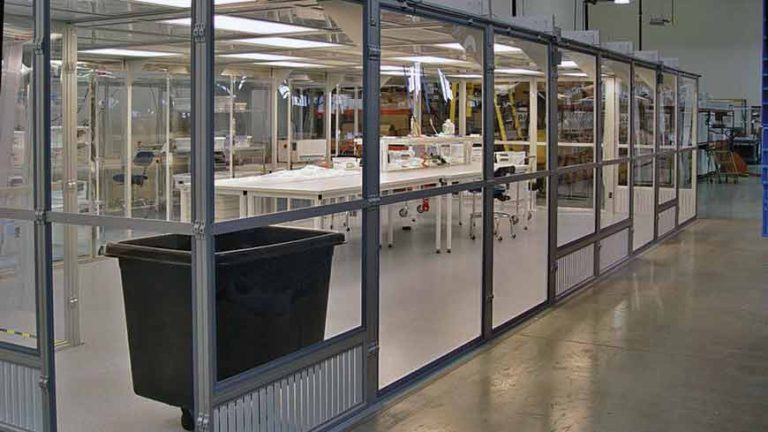
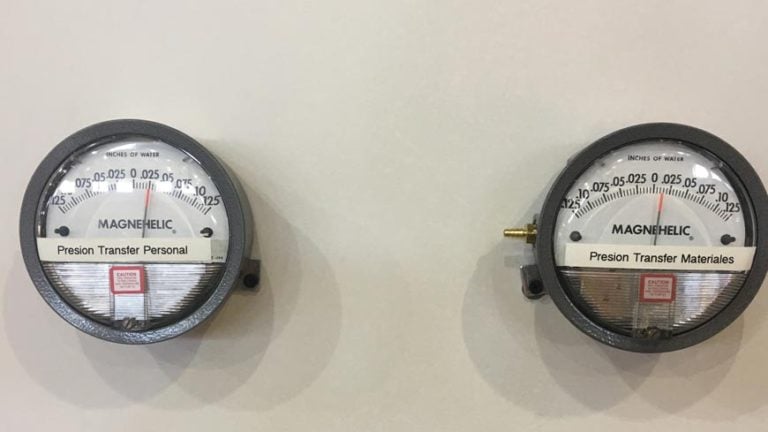
New USP guidelines may present challenges for compounding facilities. Some facilities need infrastructural and mechanical modifications for compliance. System evaluation includes duct systems, HEPA fan filters, differential pressure standards, air monitoring, and external air exhaust equipment.
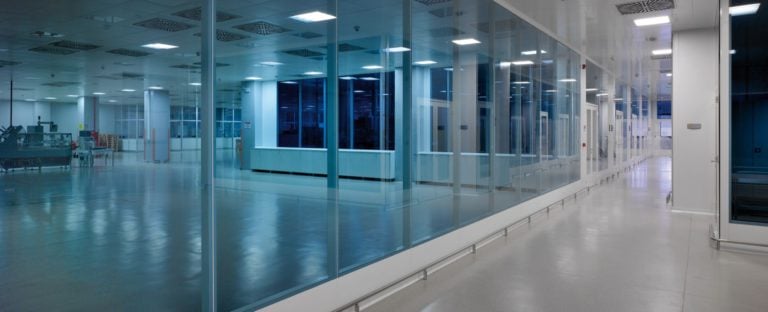
Definitive Cleanroom Construction FAQ: How much does a cleanroom cost? How does the level of ISO classification impact build and operating costs? How much supporting space will I need for a cleanroom addition or ISO class upgrade? What’s the advantage of a turnkey cleanroom system?

Industrial workbenches and workstations provide integrated design features such as power bars, application specific surface materials, and custom drawer and cabinet configurations for safe, organized storage. This laboratory enlisted for a complete laboratory outfit, with ergonomic seating and Lista drawer cabinet workstations.
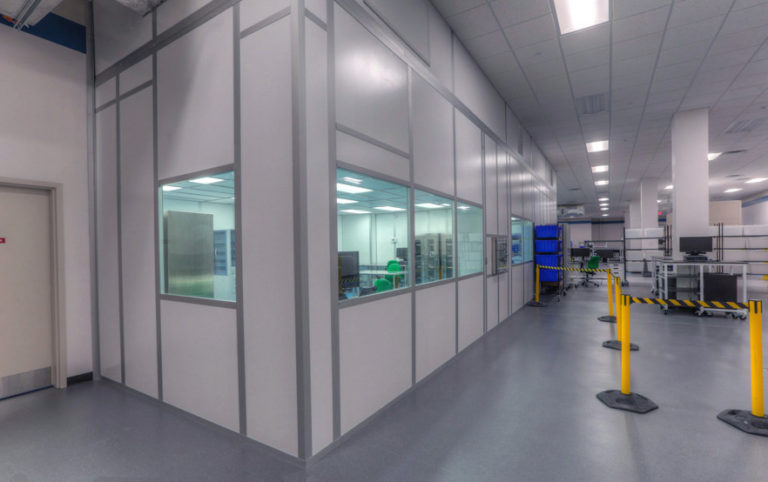
This modular, sterile compounding cleanroom is designed for USP 797 and USP 800 compliance, particularly for compounding chemotherapy drugs. Safe handling of sterile compounds requires special considerations: heat-welded floors, anterooms and buffer areas.
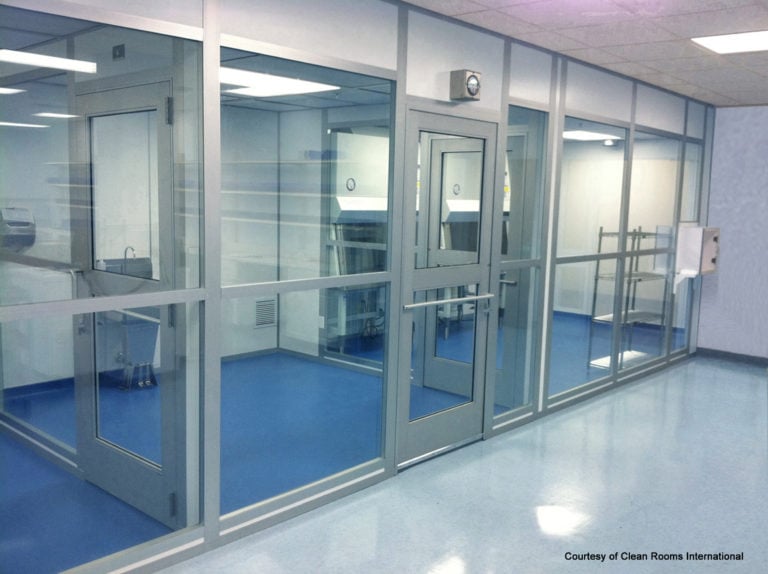
What are the key determinants of cleanroom components? Learn about different types of cleanroom filtration, wall construction, lights, temperature, humidity and more.
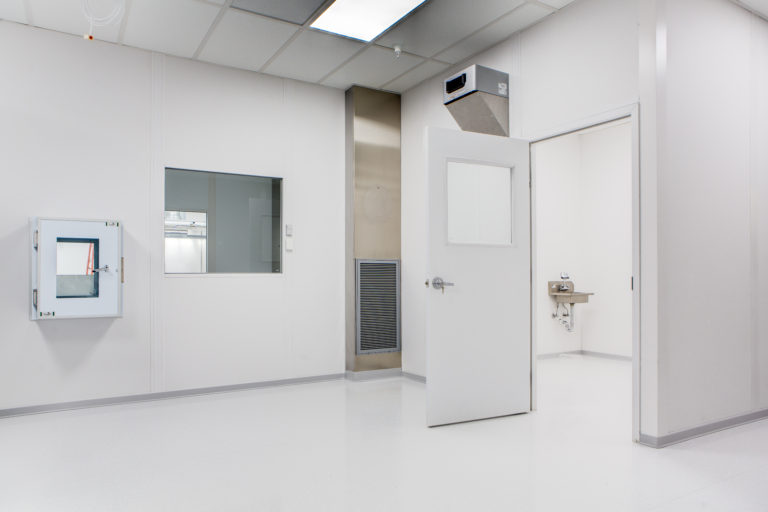
Advantages for Modular Hardwall Design and Construction of ISO 14644-4 Cleanrooms.
There are numerous considerations when evaluating cleanroom construction and design. The goal of this post is to touch on the basics. You may very well
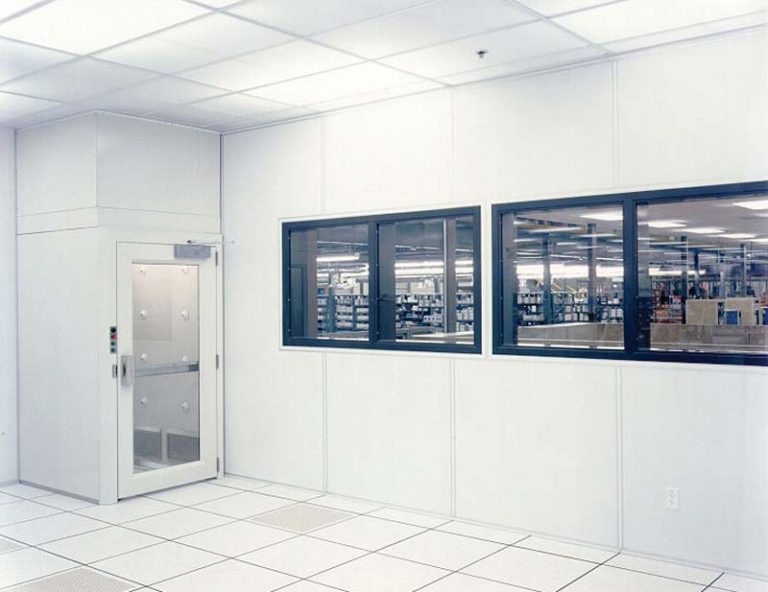
Article reprinted from Clean Air Products, manufacturers of air showers, cleanrooms, and cleanroom accessories. A cleanroom provides a controlled environment in which companies can produce
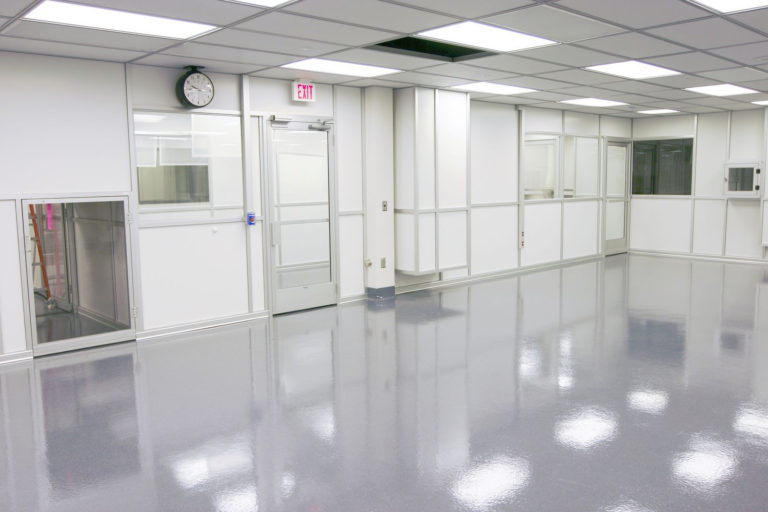
Regulations, Cost, Location, Size, Performance – How Do You Choose the Right Cleanroom? Selecting a cleanroom for a new business or product is not a
This article covers each key for adjusting load calculations, planning exfiltration paths, and angling for adequate mechanical room space relative to a cleanroom’s ISO class and certification.
Legend Quick Ship Series Hardwall Cleanrooms Ships within 5 business days of receiving order! Pre-engineered, modular design cleanrooms are cost effective without the inconvenience of