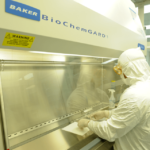
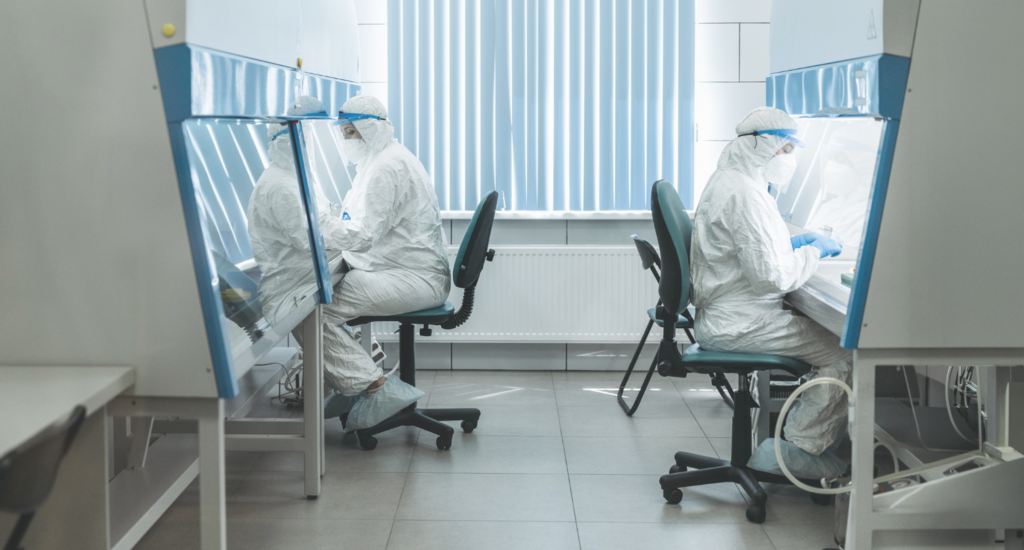
Many healthcare facilities face the challenge of bringing an existing compounding area into compliance with USP 800, which often requires significant mechanical and infrastructure upgrades. Small updates may include replacing or reconfiguring primary engineering controls. More extensive renovations can involve expanding cleanrooms, modifying HVAC systems and ductwork, and adding dedicated exhaust systems to support externally vented containment hoods and maintain room pressurization.
Negative pressure environments are vital for handling hazardous drugs. They are designed to protect staff and the environment during activities such as compounding, manipulation, and unpackaging of antineoplastic and other dangerous agents. Meanwhile, biosafety controls for infectious biological agents follow CDC/NIH biosafety guidelines, which are separate from the containment requirements for hazardous drugs outlined in USP 800.
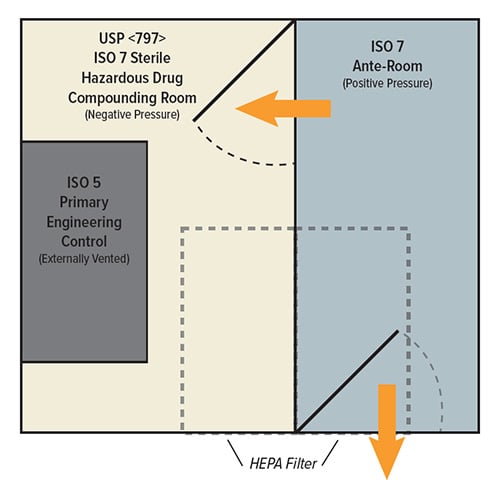
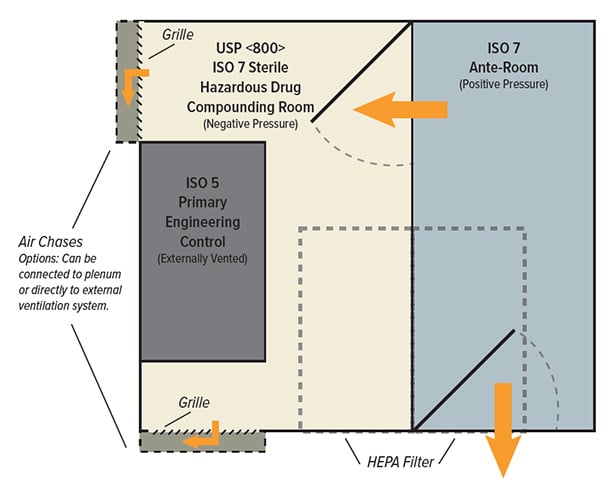
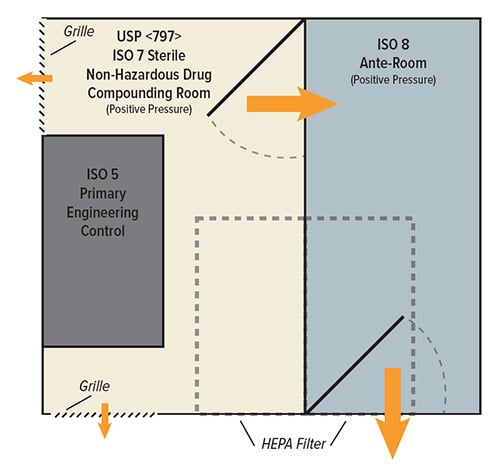
Positive pressure cleanroom suites, typically featuring an ISO 7 buffer room that houses an ISO 5 primary engineering control, are utilized for sterile, non-hazardous compounding in accordance with USP 797. USP 797 generally requires at least 30 air changes per hour (ACH) for an ISO 7 buffer room supplied by conventional HVAC systems. Sterile hazardous drug compounding, however, must take place in a negative-pressure ISO 7 containment room as outlined in USP 800, with airflow vented externally to ensure proper containment.
Difference Between USP 797 and USP 800 Cleanrooms
The purpose of USP 797 is to provide general protection of sterile compounds and spaces from contamination. USP 800 extends controls to safeguard workers and the environment from hazardous drug compounds. Unlike USP 797, which only addresses sterile compounding, USP 800 takes a comprehensive approach to handling dangerous drugs.
Changes from USP 795 to USP 797
USP 797 describes the design of sterile-compounding suites. For hazardous sterile compounding, USP 800 adds containment requirements, such as externally vented C-PECs and negative-pressure C-SECs, requiring facilities to follow both chapters. The 2023 updates specify clearer minimum standards for ACPH and pressure differentials in certain areas.
Significant Challenges for Retrofitting USP 795 Cleanrooms
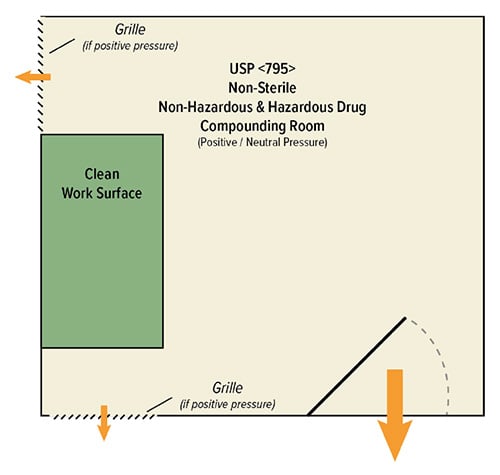
Under USP 795, facility requirements for nonsterile compounding are the same for hazardous drugs (HDs) and non-hazardous drugs (NHDs); the chapter sets general standards for designated compounding spaces, environmental conditions, and separation from sterile compounding areas. However, when hazardous medications are involved, USP 800 introduces additional containment and engineering requirements that go beyond the baseline expectations of USP 795. Many facilities designed exclusively for nonsterile compounding have struggled to meet these expanded standards, especially when nonsterile and sterile HD activities were previously colocated or performed without dedicated containment controls.
USP 800 Considerations
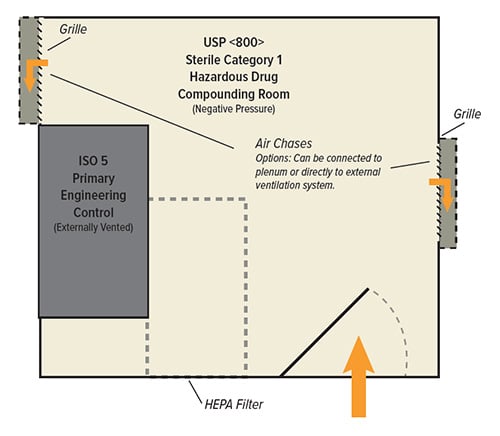
USP 800 prohibits storing, unpacking, or handling hazardous drugs in positive-pressure areas, including positive-pressure sterile compounding suites. The chapter also removed previous ‘low-volume’ exceptions for managing HDs in non-negative rooms. HDs that require manipulation must generally be handled in a properly ventilated, negative-pressure containment area. USP 800 requires that containment areas be designed and routinely checked, and that differential pressure monitoring and verification be performed to maintain a negative-pressure environment.
Learn More: How Does USP 800 Change Storage and Unpacking of Hazardous Drugs?