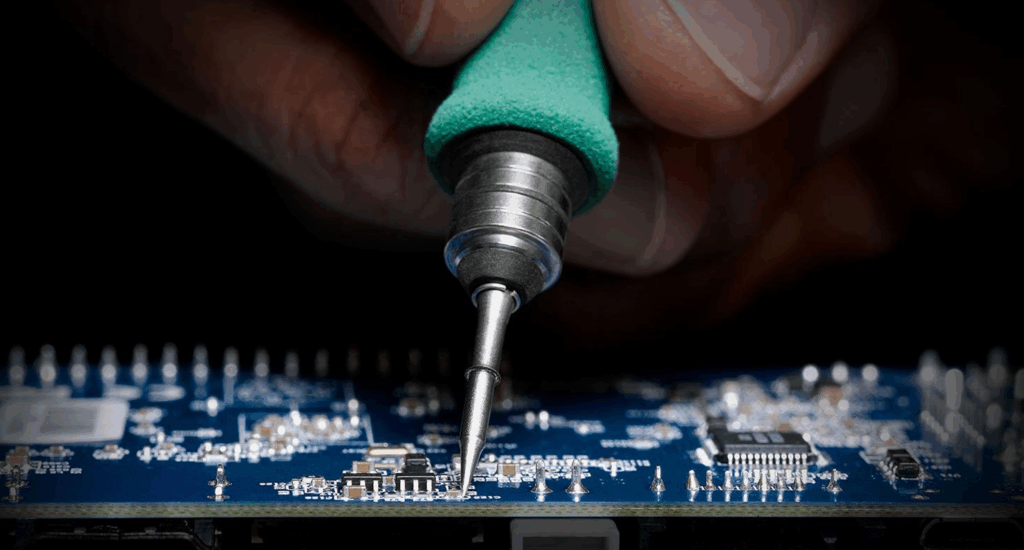
Micro soldering involves precision work on tiny and sensitive components. Even the most minor oversight can result in expensive and irreversible damage, such as lifted pads, cold joints, or electrical shorts. To navigate the complexities of this delicate process effectively, it’s crucial to understand the most common mistakes made when working with micro components and how you can avoid them.
Mistake #1: Using the Wrong Tip Size or Power Setting
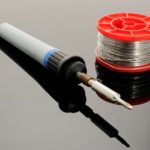
Oversized or inappropriate tip geometries reduce accuracy and increase the risk of bridging or overheating small components. Similarly, applying too much power can cause component failure, while too little may result in unreliable solder joints.
Why does this matter? Smaller components require targeted heat delivery and precision contact. A mismatch between the tip type and application can lead to rework, rejected assemblies, or permanent damage to the PCB.
PAC Pro Tip
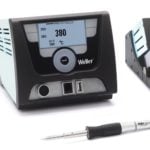
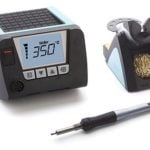
Match the tip geometry to your specific micro soldering tasks. Ultra-fine conical or knife-edge tips offer superior control in tight spaces. Look for soldering stations with adjustable heat settings and excellent thermal response. PAC experts recommend advanced systems from JBC, Hakko, Weller, and Metcal, which offer fine control over tip temperature and versatility in tip shape for a variety of micro applications.

Mistake #2: Relying on Low-Resolution Magnifiers
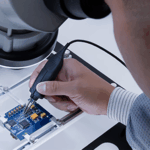
Micro soldering is all about visibility. The ability to see the pad, lead, and solder in real-time is crucial for making reliable connections and catching errors before they become costly. Relying on unaided vision or low-resolution magnifiers increases the chances of missed defects, solder bridging, or incomplete wetting. Poor lighting or viewing angles can further degrade precision.
PAC Pro Tip
Upgrade your bench with high-quality stereo microscopes or digital inspection systems. Tools from Vision Engineering provide fatigue-free, ergonomic viewing with crisp, shadow-free images, enabling technicians to work more accurately and comfortably over long periods. You’ll also reduce strain-related mistakes and improve throughout.

Mistake #3: Compromising Quality with Poor Thermal Control
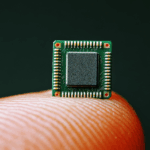
Many microcomponents are thermally sensitive and have rigid thermal tolerances. Pad damage often results in board failure and costly replacements, especially in tightly packed, high-density applications. Excessive or inconsistent heat delivery can lift delicate copper pads from the board or warp surrounding materials. Even slight variations in tip temperature can compromise the integrity of solder joints and their thermal cycling performance.

PAC Pro Tip
Use soldering stations with closed-loop temperature control and fast thermal recovery. Closed-loop systems detect changes in heat demand and quickly adjust output, reducing overshoot and minimizing thermal stress. Leading systems from Metcal, PACE, Weller, and JBC deliver consistent, responsive performance.
Don’t forget thermal interface materials (TIMs) when working near sensitive ICs or during prolonged contact. TIMs help dissipate heat safely and extend the life of components.
Mistake #4: Using The Wrong Tools for Micro Tasks
Precision handling tools are just as crucial as your soldering iron. Using the wrong hand tools increases the risk of mechanical stress, electrostatic discharge, or accidental misalignment. Standard tweezers, cutters, and magnifiers are not designed for the scale and sensitivity required for micro soldering. Without ESD-safe materials and fine-point accuracy, these tools can damage components, introduce contaminants, or fail to manipulate parts properly.
PAC Pro Tip
Equip your workbench with miniature precision tools explicitly designed for micro applications. PAC experts recommend miniature tweezers from Excelta, providing better control for delicate task operations. Choose models made from non-magnetic stainless steel, ceramic, or carbon fiber-reinforced materials to meet your cleanroom and ESD requirements.

Explore PAC’s full collection of miniature tweezers for every type of micro assembly.
Mistake #5: Ignoring Static Control
A single ESD event can instantly render a microchip useless, and it may not show until after installation. In high-reliability industries, these invisible failures can have costly consequences. Micro components are often more vulnerable to electrostatic discharge, especially during handling, placement, and inspection. Failing to control static can silently destroy sensitive parts without any visible signs.
PAC Pro Tip
Always work in a static-controlled environment. That includes ESD-safe workbenches, grounding wrist straps, dissipative mats, and tools made from ESD-safe materials. PAC supplies complete ESD workstation kits, compliance monitors, and equipment calibration services to help ensure safety and prevent damage before it occurs.

Avoiding common micro soldering mistakes begins with precision, preparation, and the right tools for the job. From tip geometry and heat control to magnification and ESD protection, every detail matters.
Expert Micro Soldering Solutions Tailored for You
PAC offers expert-recommended micro soldering solutions from brands you can trust. Whether you’re outfitting a new bench or improving an existing one, PAC experts can help you source the right tools and build a setup tailored to your production environment.
Need help auditing your setup or upgrading tools? Contact PAC for personalized support backed by decades of experience in static-controlled and high-precision manufacturing environments.