
When purchasing ESD garments, many factors must be considered, including material, length, style, additional features like pockets, and industry-specific needs. At PAC, we offer a wide selection of ESD Smocks, including custom options, to fit any environment or requirement. Use the following expert guide to help you choose the right ESD smock for your application.
Material Selection Based on Application
Selecting the right ESD smock begins with choosing a material that aligns with your industry’s unique demands. Each fabric type offers specific benefits suited for different applications, ensuring effective ESD protection and durability.
Lightweight Conductive Fabrics (Polyester/Carbon Mesh)
For semiconductor and electronics manufacturing industries where even minimal static discharge can be a risk, lightweight conductive fabrics deliver essential static dissipation. Their fine polyester and carbon mesh structure makes them ideal for high-precision settings where maximum ESD protection is paramount.
Breathable Fabrics (Poly-Cotton Blends)
Comfort is essential in environments where long shifts are common—such as healthcare, assembly lines, and general manufacturing. Poly-cotton blends provide breathable ESD protection, allowing workers to remain at ease while wearing smocks for extended periods without sacrificing static control.
Low-Linting Fabrics
Cleanrooms and sterile environments, particularly in pharmaceutical and biotech industries, require fabrics that minimize particle generation. Low-linting smocks are essential in these settings, providing reliable static protection and instilling confidence in meeting strict contamination standards.
Durable Heavy-Duty Fabrics
In the automotive and aerospace sectors, smocks face heavy use and potential wear. Heavy-duty fabrics ensure your ESD smock can withstand these demands, offering long-lasting protection that holds up in challenging industrial environments.
Collar Types for Different Work Environments
The collar style of an ESD smock can significantly affect protection and comfort depending on the work environment’s demands. The appropriate collar type is essential for achieving the right balance between mobility, comfort, and ESD protection.

Lapel Collars
Lapel collars are a versatile option, ideal for settings where protection and comfort are indispensable. This collar style provides added coverage around the neck area, reducing the potential for static discharge near sensitive components or devices. Lapel collars are well-suited for healthcare, medical device manufacturing, and general electronics work, offering wearers an ideal blend of comfort and protection for environments that require reliable ESD control.

V-Neck Collars
For environments with a lower risk of static discharge, V-neck collars offer an excellent option. This collar type maximizes mobility and comfort, making it ideal for retail packaging and assembly lines. In these applications, V-neck collars allow workers greater freedom of movement, especially for long shifts or tasks requiring frequent physical activity, without sacrificing essential ESD protection.
Choosing the Right Sleeve Length
The sleeve length of an ESD smock plays a key role in ensuring the right level of protection and comfort, depending on the environment. While long sleeves enhance grounding for high-risk settings, short sleeves provide flexibility and ventilation in areas with minimal static risk.
Long Sleeves
Long sleeves are essential for high-precision environments such as electronics manufacturing and cleanrooms to maintain continuous grounding. This sleeve length maximizes coverage, helping to prevent unintentional static discharge from the arms. Long sleeves include snap cuffs, which allow easy grounding strap attachment, or knit cuffs for a secure and comfortable fit. These options ensure ESD control throughout the day, making long sleeves the best choice for static-sensitive applications.


Short Sleeves
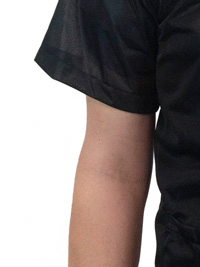
Short sleeves are a practical choice in lower-risk environments like general assembly and packaging, where ventilation and mobility are a priority. This option provides workers with greater freedom of movement and airflow, making it ideal for long shifts or physically demanding tasks. Since the static risk is minimal in these environments, short sleeves allow for comfort without compromising safety.
Additional Features to Consider
Certain design features can enhance functionality and safety in specific work environments. Elements like pockets and closure types contribute to convenience and play a role in static control.

Pockets with ESD-Safe Linings
In settings such as assembly lines and manufacturing floors, pockets are essential for storing tools, small components, or personal items. Choosing pockets with ESD-safe linings is crucial to avoid the risk of static discharge from stored objects. These specialized pockets allow workers to keep necessary tools close while maintaining strict ESD control, supporting efficient and safe operations in static-sensitive environments.
Closure Type (Snap Buttons vs. Zippers)
The closure type of an ESD smock can significantly impact both functionality and static safety. Snap buttons are the preferred choice in highly sensitive environments, such as cleanrooms or semiconductor facilities, as they help reduce static buildup and are easy to secure. On the other hand, zippers provide added durability and ease of use, particularly suited for industrial settings like automotive or aerospace. When selecting zippers, it’s essential to ensure they are ESD-safe to maintain effective static protection in these environments.
Matching ESD Smocks to Industry-Specific Needs
Selecting the right ESD smock for your industry protects your team, ensures their comfort, and guarantees they meet all necessary safety standards. Here’s how different industries benefit from specific ESD smock features:

High-Precision Electronics and Semiconductor Manufacturing
In environments where even minor static discharge can disrupt production, ultra-lightweight, high-conductivity fabrics are key. Lapel collars, long sleeves with elastic cuffs, and snap closures provide the maximum protection to support these high-stakes applications.

Cleanroom Applications
Maintaining particle control and hygiene in cleanrooms requires specially designed smocks. Low-linting, cleanroom-rated fabrics, antimicrobial coatings, full-closure collars, and long sleeves with grounding snaps help keep sterile environments safe from contamination and static buildup.

Healthcare & Medical Device Manufacturing
Healthcare workers and those in medical device production benefit from breathable poly-cotton blend smocks that offer comfort and ESD protection. Optional sleeve lengths and antimicrobial features support long shifts while maintaining cleanliness and static control, making them a versatile choice for these industries.

Automotive and Aerospace Industries
Durable fabrics with reinforced seams and ESD-safe pockets are essential for heavy-duty settings, such as automotive and aerospace. Adjustable sleeves add flexibility, while rugged construction ensures the smock can withstand the demands of these industrial environments.
Don’t Compromise on ESD Protection. PAC static control experts are here to help you choose the right ESD smock for optimal performance and employee comfort. Contact us today or browse our selection.