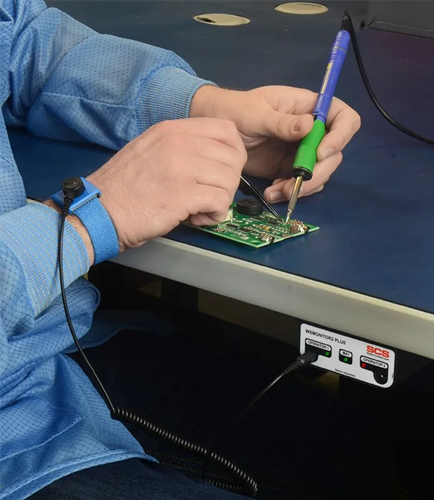

In electronics manufacturing, even tiny electrostatic discharges (ESD) can severely damage sensitive components, resulting in costly product failures, reduced reliability, and more waste. To mitigate these risks, manufacturers establish Electrostatic Protected Areas (EPAs)—controlled environments designed to prevent static buildup and discharge. However, simply designating an EPA is not enough. Ensuring the integrity of this space requires robust ESD access control measures to regulate personnel entry, enforce compliance, and prevent contamination from uncontrolled static sources.
If not adequately grounded or if they fail to follow ESD safety protocols, every individual entering an EPA poses a potential risk. Without an effective access control system, unauthorized personnel, improperly maintained equipment, or unnoticed static buildup on clothing and footwear can introduce significant hazards. By implementing a structured ESD access control system, manufacturers can uphold the highest standards of static protection—safeguarding products, improving yield rates, and ensuring compliance with industry regulations.
Understanding ESD Risks and EPA Boundaries
An EPA is a designated space where strict ESD control measures are enforced to prevent electrostatic discharge from damaging sensitive electronic components. The efficacy of an EPA depends entirely on its regulatory procedures and compliance maintenance. Without proper boundaries and controls, the risk of ESD events increases dramatically.
What Happens When Unauthorized Personnel Enter an EPA?
Unauthorized access to an EPA can introduce uncontrolled static charges, significantly increasing the likelihood of ESD damage. If an individual enters without proper grounding, their clothing, shoes, or personal items can carry thousands of volts of static electricity. Even a seemingly harmless action can lead to catastrophic production failures. These failures may not be immediately visible, resulting in latent defects that compromise product reliability and lead to costly returns or field failures.
The Importance of Defining EPA Boundaries
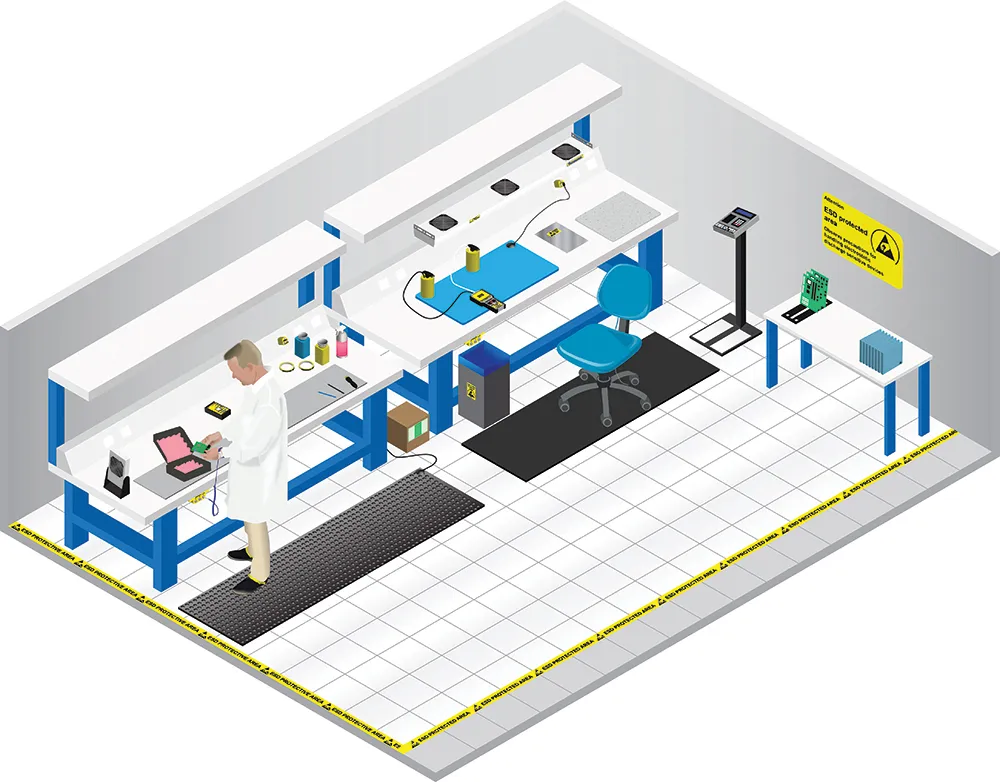
Clear EPA boundaries will help prevent accidental breaches and ensure personnel compliance. This includes:
- Physical barriers such as floor markings, signage, and controlled entry points.
- ESD workstation zones, where only properly grounded personnel can handle sensitive components.
- Mandatory compliance procedures for anyone entering the EPA, including ESD testing stations for wrist straps and footwear.
Defining these boundaries helps enforce ESD discipline, ensuring that only trained and properly equipped personnel enter and operate within the protected area.
Meeting ANSI/ESD S20.20 Standards
ANSI/ESD S20.20 outlines best practices for setting up EPAs, including access control, personnel grounding, and environmental safeguards. Compliance with ANSI/ESD S20.20 ensures that manufacturers meet industry requirements, protect valuable electronic components, and minimize the risks associated with electrostatic discharge. Implementing a compliant ESD access control system is not just a best practice—it is essential for maintaining product integrity, regulatory compliance, and operational efficiency.
Key Components of an Effective ESD Access Control System
Entry Monitoring and Access Restrictions
Controlling entry points is the first line of defense in maintaining EPA integrity. Only authorized personnel who have passed ESD compliance checks should have access. Effective entry monitoring includes:
- ESD Testing Stations – Individuals must test their wrist straps, footwear, and other grounding devices before entering the EPA.
- Electronic Badge Systems – Integrating badge scanners with ESD compliance tests ensures that only approved personnel gain entry.
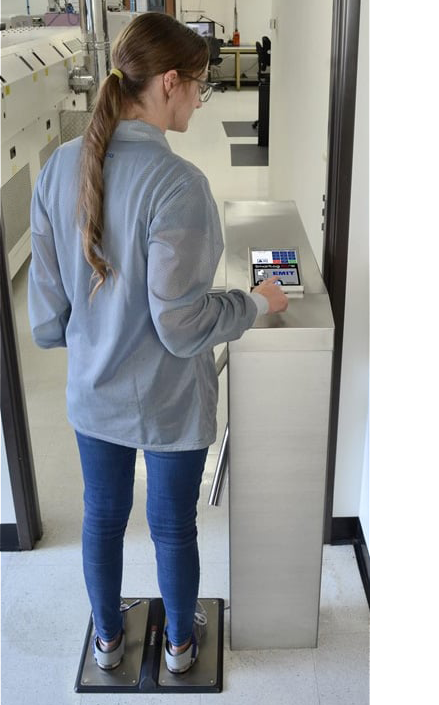
- Physical Barriers & Turnstiles – Preventing unauthorized access with gated entry points reinforces EPA security.
ESD Personnel Training and Compliance
Even the best technology is ineffective without proper personnel training. Everyone working in or entering an EPA must understand ESD risks, best practices, and compliance requirements. Key training initiatives should include:
- Regular ESD awareness sessions to educate employees on ESD control procedures.
- Hands-on training for correctly using ESD-safe gear, such as wrist straps, footwear, and garments.
- Routine compliance audits to assess personnel adherence to ESD protocols.
Real-Time Tracking and Logging
Manufacturers must track and log EPA access data to maintain compliance with industry standards. A real-time monitoring system provides:
- Automated logging of personnel entries, test results, and timestamps for audit purposes.
- Immediate alerts for non-compliance, such as failed ESD tests or unauthorized access attempts.
- Data analytics for trend analysis, helping to identify recurring issues and improve ESD control measures.
Recommended ESD Access Control Solutions
A comprehensive ESD access control system requires reliable equipment that ensures compliance, monitors personnel grounding, and prevents unauthorized access. PAC offers a range of industry-leading solutions designed to safeguard EPAs by enforcing proper grounding and access protocols. Below are the key PAC products that help maintain ESD-safe work environments.
Smart Log Pro® 2 Solutions for Access Control
Maintaining stringent ESD control and access management is essential in sensitive manufacturing and research environments. PAC’s Smart Log Solutions provide comprehensive systems for verifying personnel grounding and controlling entry to EPAs. These systems are designed to:
- Automate and Enhance Personnel Grounding Verification
- Implement Advanced Access Control
- Provide Real-Time Data and Reporting
- Streamline Compliance with Industry Standards
- Minimize Downtime and Maximize Efficiency
- Offer Flexible Integration and Operation
- Ensure Accurate and Reliable Performance
- Provide Contactless and Contact Testing

Turnstiles for Secure EPA Access
Turnstile access control systems provide automated entry monitoring to ensure that only adequately grounded personnel enter an EPA. These systems integrate with wrist straps and footwear testers, allowing access only after a successful compliance check. Turnstiles help to:
- Prevent unauthorized personnel from entering an EPA.
- Ensure real-time ESD compliance verification.
- Maintain a controlled and secure access point.

Wrist Strap & Combo Testers for Personnel Grounding
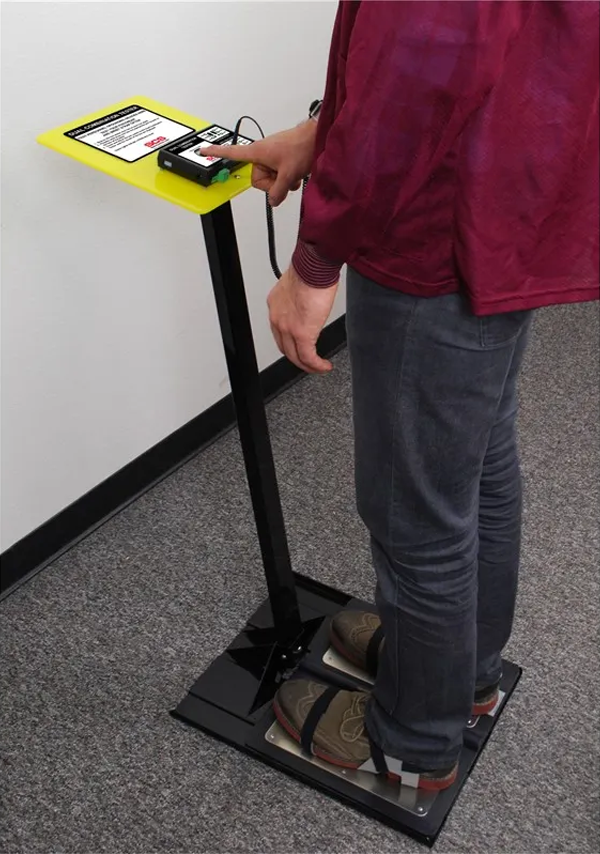
Proper personal grounding is critical in static-sensitive environments. PAC’s Wrist Strap & Combo Testers verify that employees are correctly grounded before entering an EPA. These testers help to:
- Ensure that wrist straps, footwear, and other grounding devices function properly.
- Reduce the risk of personnel introducing static into an EPA.
- Provide instant pass/fail feedback for quick compliance checks.
These testers can be installed at entry points and workstations, reinforcing constant grounding compliance throughout the production environment.
Calibration & Verification Kits for Accuracy and Compliance
Maintaining accuracy and compliance in ESD testing equipment is essential to avoid false readings and potential grounding failures. Calibration & Verification Kits provide:
- Routine calibration of wrist straps and footwear testers to maintain precise readings.
- Compliance with ANSI/ESD S20.20 standards by ensuring measurement accuracy.
- Consistent performance of ESD control equipment.
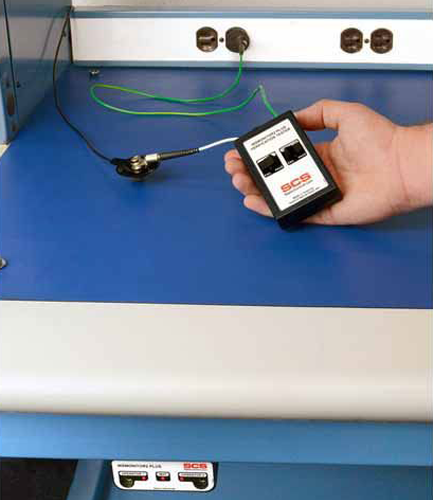
Personal Grounding Solutions for Comprehensive ESD Protection
Beyond entry monitoring and access control, a successful ESD prevention strategy requires personnel to always use proper grounding equipment. PAC’s extensive range of Personal Grounding Products includes:
- Wrist straps, heel grounders, and ESD footwear to maintain constant grounding.
- Use ESD-safe garments to reduce static charge buildup on clothing.
- Workstation monitoring solutions to ensure continuous compliance during operations.