
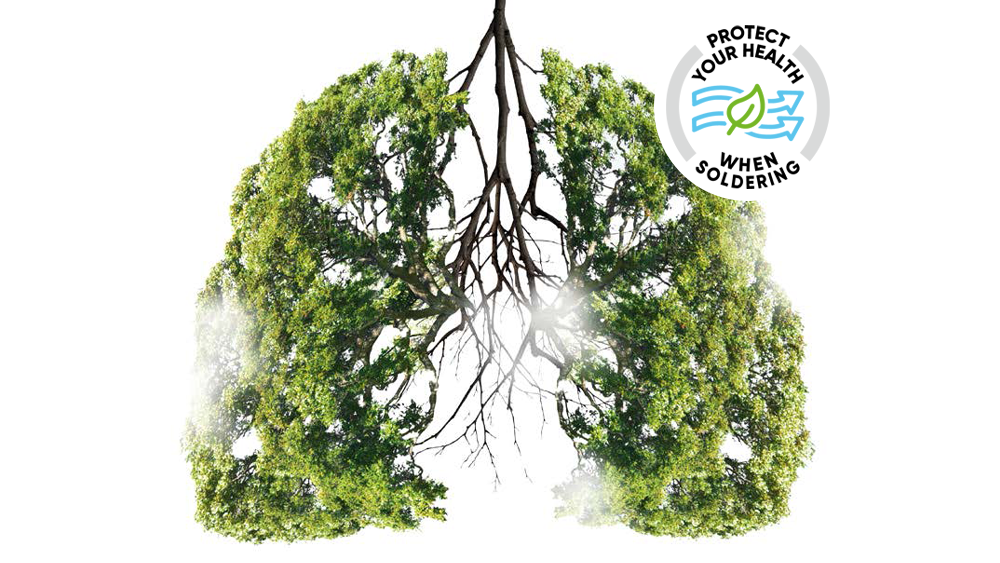
In today’s industrial and service environments, maintaining clean air is not merely a regulatory requirement but a vital necessity. Exposure to harmful fumes and particles can lead to severe, long-term health issues, adversely affecting worker productivity and well-being. From manufacturing floors to assembly lines, the need for effective fume extraction is paramount. With the increasing awareness of airborne particulate hazards and the evolution of fume extraction technology, implementing a proper system has never been more critical.
The Dangers of Fume Inhalation
Many manufacturing and assembly operations, repair centers, and other workplaces generate harmful fumes and particles. These substances can be detrimental to worker health and safety and lead to a range of acute and chronic conditions.
Welding and Soldering Applications
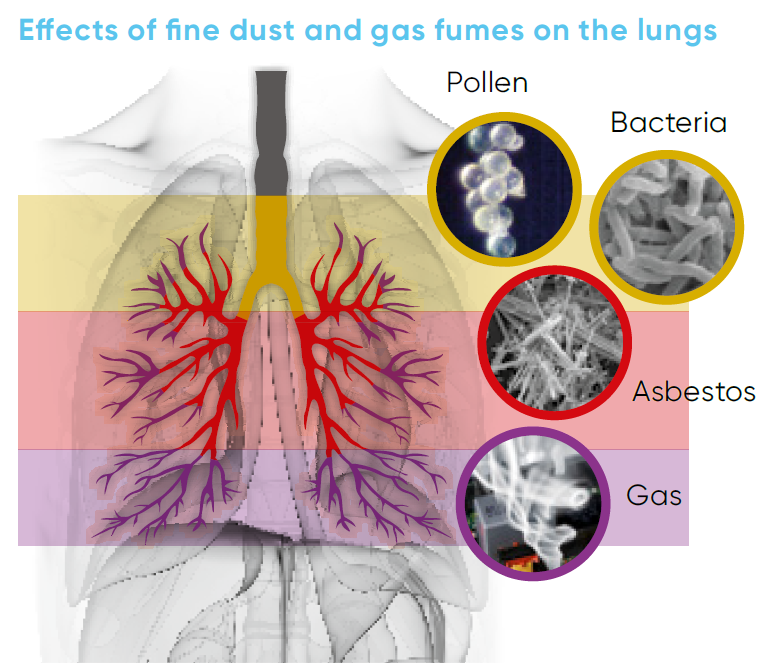
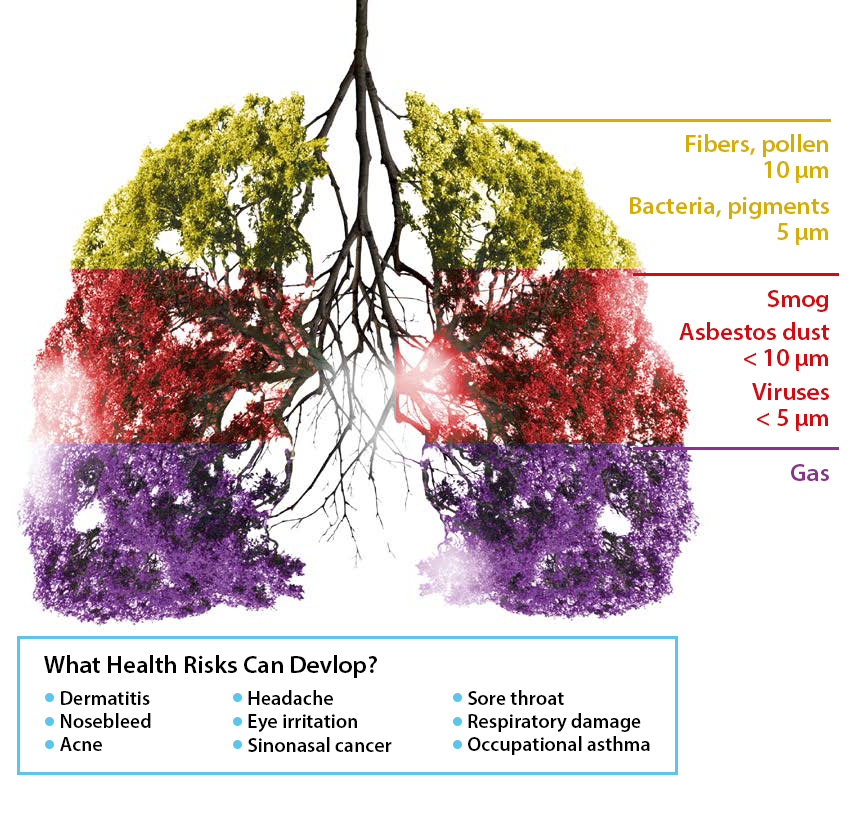
Welding applications expose workers to high levels of manganese toxins in welding rods. These toxins rapidly enter the bloodstream, targeting the respiratory, central nervous, blood, and kidneys. Prolonged exposure may cause various types of cancer, including lung, larynx, and urinary tract. Soldering applications introduce lead oxide fumes, aliphatic aldehydes (like formaldehyde), and hydrochloric acid, as well as gases containing benzene, toluene, styrene, phenol, chlorophenol, and isopropyl alcohol. These substances can cause loss of appetite, indigestion, nausea, vomiting, constipation, headache, abdominal cramps, nervousness, insomnia, nose/sinus/eye/throat irritation, and skin rashes. Long-term problems may include asthma and dermatitis.
Switching to lead-free soldering is environmentally beneficial, but because of higher working temperatures and flux usage, it can increase the production of fine airborne particles. These particles, often smaller than those from lead-based soldering, can penetrate deep into the lungs, reaching the alveoli and potentially entering the bloodstream. This underscores the critical need for advanced fume extraction systems capable of capturing these minute particles. Regulatory standards, such as those set by OSHA and NIOSH, highlight the importance of controlling these hazardous substances.
Fume Extraction Solutions
To mitigate these risks, effective fume extraction systems are crucial. Here are three primary solutions:
Benchtop Fume Extractors
These smaller, direct-plug units are ideal for soldering, rework, and manicure work. With filters and suction, they clean the air for up to eight employees per machine, removing harmful fumes and particles. Easy to set up and maintain, they offer flexibility for various workspace layouts.

Whole-Building Fume Extraction Systems
Whole-building systems provide comprehensive air filtration for large-scale soldering and welding operations. A central unit with ducting and vents ensures constant air purification. While more costly, they are essential for environments with high fume volume or many employees.
Under-Bench Fume Extractors
Consider under-bench extraction units that provide consistent and reliable fume capture for continuous, all-day operations. These systems are designed to handle the increased particulate load from modern soldering processes, ensure optimal air quality, and worker safety.
Choose the Right System With PAC
Protecting your employees’ respiratory health is an investment in your company’s future. By implementing effective fume extraction, you comply with safety regulations and create a healthier, more productive work environment. PAC offers various fume extraction solutions, including benchtop and whole-building systems. For personalized guidance and to ensure your workspace is safe and compliant, contact us at (888) 903-0333 or [email protected]. Invest in clean air today for a healthier tomorrow.



1 thought on “Why Do You Need Fume Extraction?”
I thought it was interesting how you said that anywhere where the air can be detrimental to worker health and safety needs fume extraction. My brother works in a warehouse that does a lot of welding. It may be good for them to have a way to properly extract any fumes and dust from their work area.
Comments are closed.