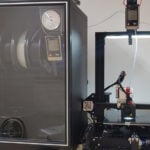

In modern electronics manufacturing, moisture is one of the most underestimated threats to yield and long-term product reliability. From SMT assembly to final development, uncontrolled humidity can quietly compromise components, PCBs, and finished assemblies.
As packages become smaller, lead pitches tighten, and reflow profiles remain aggressive, moisture sensitivity significantly increases. Components and bare boards naturally absorb moisture from ambient air during storage or handling. When exposed to rapid heating during reflow soldering, the absorbed moisture expands. The resulting internal pressure can cause cracking, delamination, corrosion, and the “popcorning” effect.
The consequences often show up as unexplained post-reflow failures, inconsistent test results, excessive rework, or latent field failures. In industries like aerospace, medical device manufacturing, and industrial electronics, those risks carry serious financial and reputational implications.
The encouraging reality is that moisture damage is highly preventable. With the right storage, packaging, and handling strategy, manufacturers can significantly improve yield, process stability, and long-term product confidence.
Protecting Your MSDs
Moisture-Sensitive Devices (MSDs) include many of the components routinely used in PCB and SMT assembly. These devices are hygroscopic, which means they naturally absorb moisture from their surroundings. Bare PCBs and multilayer boards can also absorb moisture through exposed laminate edges. Even moderate humidity levels can gradually raise internal moisture content to the point where reflow soldering becomes hazardous.
During reflow, any absorbed moisture vaporizes and expands, creating internal stress within the package or substrate. This stress can lead to die cracking, internal delamination, weakened solder joints, and damage to bond wires. In some cases, failures are immediately visible. In others, the damage is latent, surfacing months later in the field as intermittent or premature failure.
In addition to issues with reliability, the financial impact can be significant. Scrap, rework, production delays, and warranty claims all erode profitability. For manufacturers operating in regulated industries, uncontrolled exposure to moisture can also complicate compliance and traceability requirements. Moisture control is a fundamental quality assurance strategy.
Storage & Packaging Solutions for Moisture Control
An effective moisture-control program addresses the entire lifecycle of a component. No single solution is sufficient on its own, so environmental control, protective packaging, and humidity absorption work together to reduce risk.
Dry Cabinets: Controlled Low-Humidity Storage
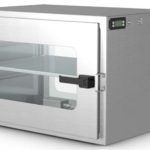
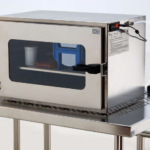
Dry cabinets provide a stable, actively controlled, low-humidity environment that prevents further moisture absorption. By maintaining ultra-low relative humidity, these cabinets effectively pause the floor-life clock for MSDs.
Modern automatic desiccator cabinets achieve tight humidity control without a continuous gas supply. This makes them practical and scalable for SMT assembly floors and component staging areas.
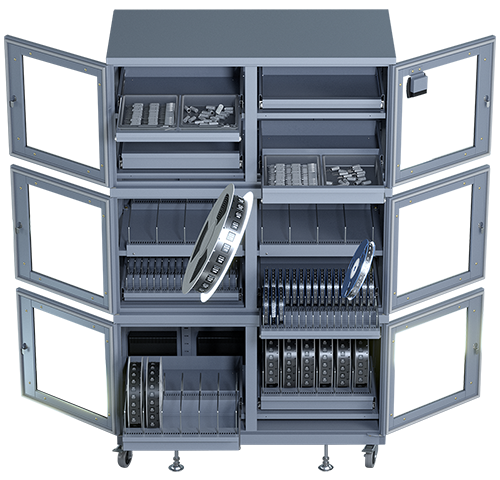
For manufacturers seeking reliable environmental control, PAC offers several solutions. Some of the key features include:
- Maintain ≤5% relative humidity (RH) with a self-regenerating desiccant dehumidifier
- Very fast recovery to ultra-low humidity levels
- Industry Best 5 Year Warranty on Dryer Modules
- ESD-safe painted steel body and shelves (tested to ≤109 Ω/sq)
- Heavy Duty Shelves with 100 kg weight capacity
- Dissipative glass windows (tested to ≤108 Ω/sq)
- Sturdy locking doors with tightly sealed gaskets
- Locking casters for full-height cabinets
- 1, 2, 3, and 6 door options
When properly implemented, dry cabinets reduce the need for component baking, stabilize floor-life management, and significantly lower the risk of moisture-induced reflow failures.
Read More: Solve Your Moisture Problems with a StatPro CPDC Series Dry Cabinet
Moisture Barrier Bags & Film
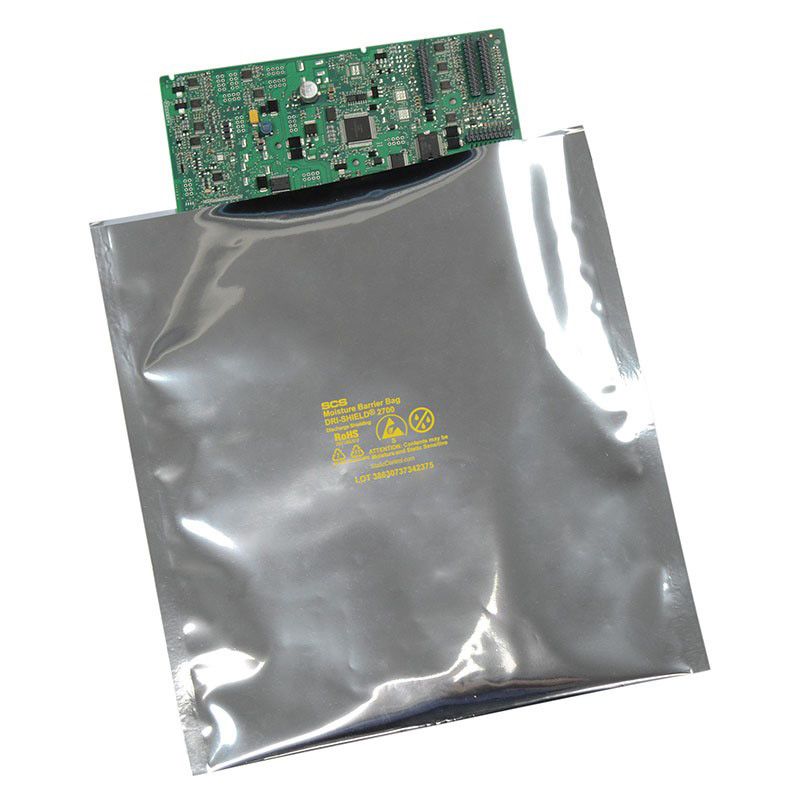
While dry cabinets control environmental exposure within the facility, moisture-barrier bags protect components during shipping, receiving, and interim storage.
These bags are constructed from multi-layer materials designed to limit vapour transmission. When heat-sealed correctly, they create a controlled micro-environment that shields components from ambient humidity.
Options such as 12” x 18” moisture barrier bags are well-suited for reels, trays, and assembled boards, while smaller formats, such as 8” x 12” moisture barrier bags, offer protection for individual components or compact assemblies.
Moisture barrier packaging is most effective when combined with desiccants and humidity indicator cards, ensuring both protection and visibility into environmental conditions.
Desiccants & Humidity Absorbers
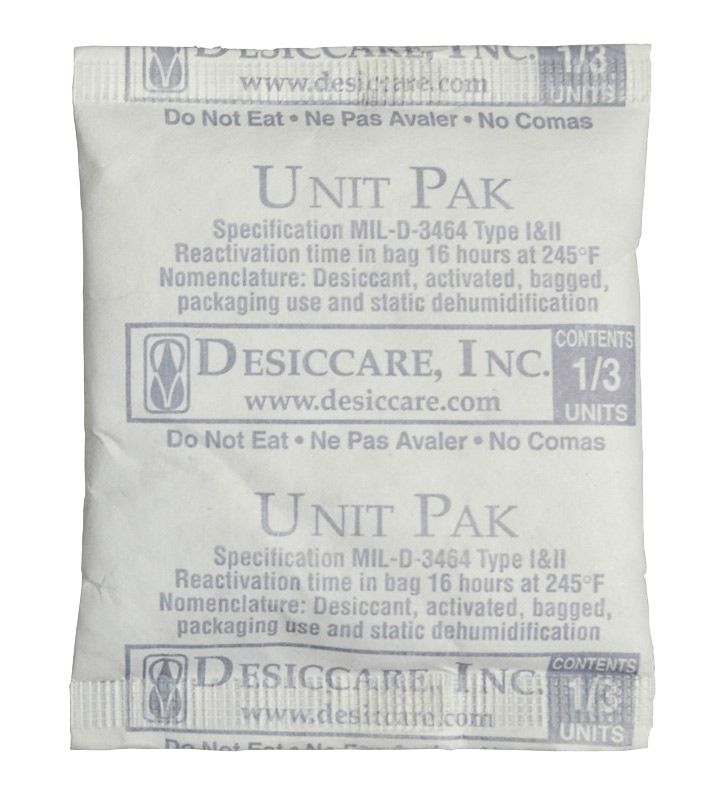
Even properly sealed packaging can trap residual moisture. Desiccants actively absorb that trapped humidity, lowering internal moisture levels and extending safe storage windows. Silica gel desiccant packs are commonly used in moisture barrier bags and shipping containers. Sizes vary depending on package volume and expected storage duration.
Best Practices: Storage, Handling & Inventory Control
Technology alone does not eliminate the risk of moisture. Consistent procedures and responsible handling are equally important. Effective receiving protocols should begin with inspecting incoming moisture-barrier packaging and verifying humidity indicator card readings. If components have been exposed or seals are compromised, they should be transferred immediately to controlled storage.
Additionally, floor-life tracking must also be methodical. Recording exposure time, bake cycles, and resealing events ensures compliance with MSD handling guidelines and reduces the likelihood of accidental overexposure.
Continuous humidity monitoring, through cabinet-integrated displays, digital hygrometers, or humidity indicator cards, provides real-time visibility and removes guesswork from environmental control. When exposure limits are exceeded, components should be baked according to the manufacturer’s specifications, then repackaged with fresh desiccant and humidity indicators before being returned to controlled storage.
Moisture Damage Is Preventable
Moisture-related failures in PCB and component production are predictable and preventable outcomes of uncontrolled exposure. With a structured moisture-control strategy that integrates dry cabinets, moisture barrier packaging, desiccants, and disciplined handling procedures, manufacturers can dramatically improve yield, reduce rework, and safeguard long-term reliability.
If you are evaluating improvements to your SMT storage or component handling processes, contact a PAC expert to help tailor a moisture-control solution for your production line. With the right systems in place, you can protect your components, stabilize production performance, and move forward with greater confidence on the manufacturing floor.