Why ESD Flooring Matters More Than Ever
Static electricity is the hidden threat in today’s electronics-driven world. While humans typically won’t feel a static discharge until it reaches 3,500 volts, as little as 20 volts can damage sensitive electronics. This means that even the smallest unnoticed charge can corrupt data, degrade performance, or permanently destroy critical components.
For industries where precision and uptime are critical, such as electronics manufacturing, data centers, aerospace, and biotech facilities, the cost of poor flooring choices can be catastrophic. Downtime, compliance failures, or equipment replacement quickly outweigh the initial investment in static-control solutions. That’s why choosing the right ESD flooring is one of the most important steps in building a safe, compliant, and reliable static-control program.
Understanding Static and ANSI Requirements
Static electricity is generated when two materials rub together. Something as simple as walking across a standard floor can create a charge. Once generated, that buildup seeks a path to ground, and in the absence of proper safeguards, the discharge can travel through sensitive electronic equipment.
Flooring is the foundation of an effective ESD control program. Unlike mats or wrist straps alone, static-control flooring provides broad, consistent protection across a space, neutralizing static charges before they reach critical devices.
The ANSI/ESD S20.20 standard defines acceptable resistance ranges for flooring materials and emphasizes three core requirements:
- Floors must limit static generation.
- They need to provide a reliable path to the ground.
- Performance needs to remain consistent under expected environmental conditions.
See Also: The ANSI/ESD STM7.1-2020 standard provides specific procedures for measuring the electrical resistance of floor materials used for electrostatic discharge control, both before and after installation.
By adhering to these standards, facilities not only protect their assets but also demonstrate their care and thoroughness, which is essential in industries that demand strict adherence to regulations.
Types of ESD Flooring Solutions
Permanent Flooring Systems
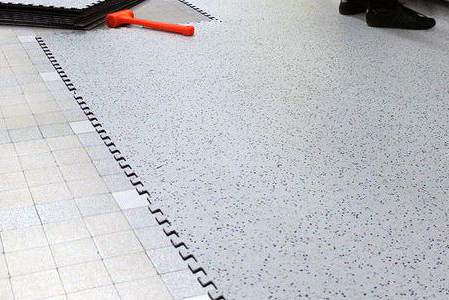
Permanent ESD flooring is designed for durability and long-term performance. Seamless epoxy and conductive coatings are an excellent choice for wet or messy environments, such as laboratories and manufacturing lines, because they resist chemicals and can be easily cleaned. For facilities needing flexibility, interlocking conductive or dissipative tiles combine high-performance protection with the ability to reconfigure layouts or replace damaged sections without disrupting operations.
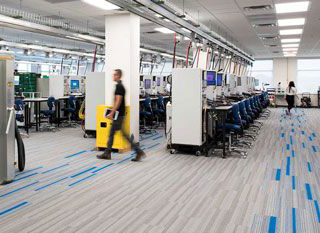
In spaces where comfort and aesthetics are also important, ESD carpet tiles offer a practical solution. Made with conductive fibers, these tiles will safely discharge static while still providing the look and feel of traditional carpeting.
Modular & Self-Install Options
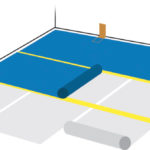
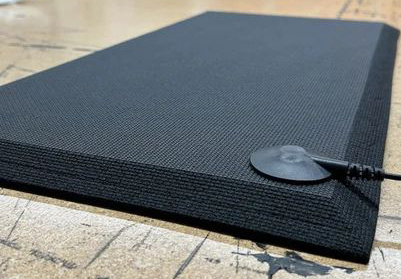
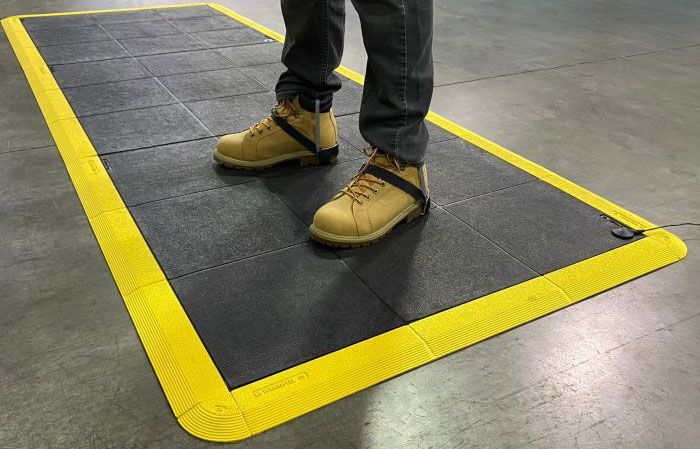
Not every facility is ready for a full installation, which makes modular and self-install options attractive. Modular tiles, mats, and runners provide static protection where it’s needed most, like individual workstations, labs, or temporary setups. Static protection is offered by mats, runners, and modular tiles in critical areas such as individual workstations, labs, or temporary setups. While not as robust as permanent flooring, they balance affordability and flexibility.
ESD Floor Finishes & Waxes
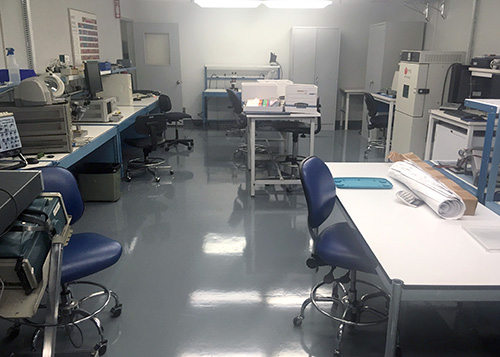
For facilities with existing floors that need an upgrade, ESD floor finishes and waxes can transform standard surfaces into static-safe environments. These solutions are often used to extend the life of older installations or as an entry-level step toward compliance. Regular reapplication and performance testing are necessary to ensure the floor continues to meet ESD standards, which can add to long-term maintenance costs.
Matching Flooring to Applications
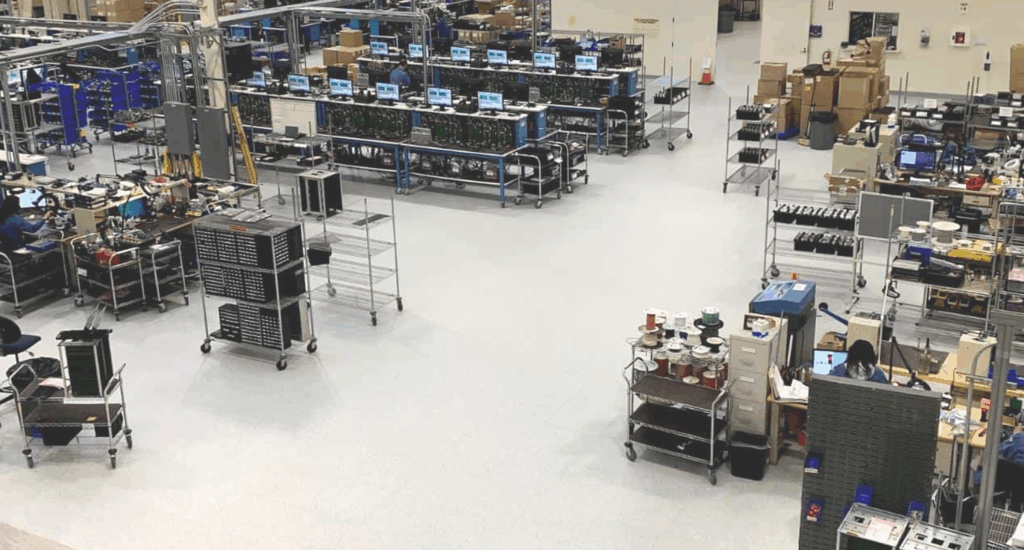
No single flooring type works for every environment. The best choice depends on the facility’s space needs. In manufacturing and assembly areas, conductive vinyl, rubber, or epoxy flooring delivers the rugged durability required to handle heavy traffic and strict process control. In contrast, data centers often benefit from dissipative carpet tiles. These combine static protection with acoustic control and comfort, creating a better work environment while still safeguarding electronics.
For wet or harsh environments, epoxy, rubber, and vinyl work best since they resist chemicals and spills without compromising ESD control. Many facilities ultimately adopt a hybrid approach, combining carpet tiles in office areas with conductive epoxy in production zones. This layered strategy ensures complete protection while maintaining functionality and comfort in every part of the building.
Maintenance & Longevity Considerations
When evaluating ESD flooring, it’s important to think beyond the upfront investment. Floors that use coatings or waxes can have a lower initial cost and can maintain performance effectively with proper upkeep. As a consideration for ongoing maintenance, permanent solutions, such as epoxy or modular tiles, tend to have a higher initial investment but provide years of consistent performance with minimal upkeep.
Modular systems offer additional value by allowing worn sections to be replaced individually, reducing both downtime and replacement costs. By balancing installation costs with ongoing maintenance needs, facilities can better calculate the true long-term value of their flooring investment.
Key Questions to Ask Before Choosing an ESD Flooring System
- What type of traffic and footwear are expected in the space?
- Does the floor need to withstand wet or harsh environments?
- Is modularity or flexibility important for future facility changes?
- Will the chosen flooring meet ANSI/ESD S20.20 compliance requirements?
PAC’s ESD Flooring Options
At PAC, we recognize that every facility faces unique challenges related to static control. That’s why we provide a comprehensive range of ESD flooring solutions. Our team of ESD experts collaborates with you throughout the entire process, guaranteeing that your flooring system offers consistent, long-term protection.
While static is invisible, its consequences can be severe. By selecting the suitable flooring system, you can safeguard your equipment, ensure regulatory compliance, and shield your operations from costly downtime.
PAC’s ESD experts are here to help you find the flooring solution that matches your facility’s needs. Contact us today to discuss your project and ensure your facility is static-free, safe, and compliant.