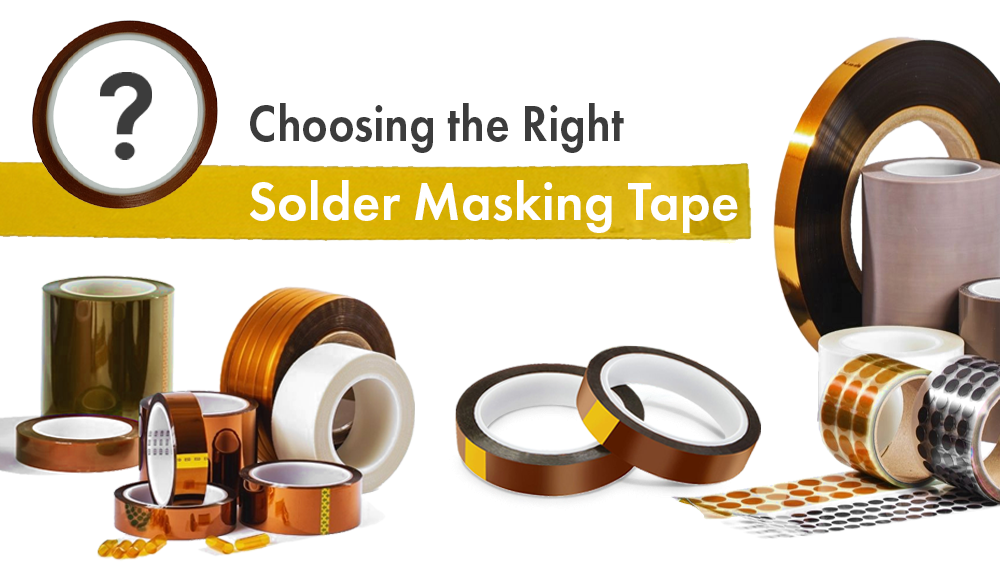
The Importance of Solder Masking Tapes in Manufacturing
Precision and quality are critical in manufacturing, electronics, aerospace, and automotive industries. Solder masking tapes ensure these standards by providing essential protection during soldering. Whether safeguarding sensitive components or creating clean, defined solder lines, these tapes are indispensable in achieving flawless results in high-stakes manufacturing environments.
Solder masking tapes can withstand high temperatures and provide practical barriers against solder overflow. Manufacturers typically make these tapes from heat-resistant materials, such as polyimide or polyester, and they use specialized adhesives that perform reliably under extreme conditions. Their ability to adhere firmly, resist thermal stress, and peel off cleanly without leaving residue makes them a crucial tool in advanced manufacturing processes.
Typical applications for solder masking tapes include:
- Electronics Manufacturing: Protecting circuit board components during wave soldering or reflow processes.
- Aerospace and Automotive: Ensuring clean and precise masking during soldering and thermal processes, especially for intricate wiring and assemblies.
- General Manufacturing: Providing thermal insulation and safeguarding surfaces against damage or contamination during production.
Key Factors to Consider When Selecting Solder Masking Tapes
Choosing the right solder masking tape ensures smooth manufacturing processes and protects your components. Below are the key factors to consider when selecting a solder masking tape that meets your needs.
1. Heat Resistance and Temperature Range
Solder masking tapes must endure high temperatures during soldering processes, such as wave soldering, reflow, or other thermal applications. Depending on your manufacturing requirements, look for polyimide tapes that can withstand temperatures up to 500°F (260°C) or higher. Ensuring the tape can handle the specific thermal conditions of your process prevents failures like adhesive breakdown or tape deformation.
2. Adhesive Strength and Residue-Free Removal
The adhesive is a critical component of solder masking tapes. It must provide strong adhesion to remain secure during high-heat processes and allow for clean removal without leaving residue. Residue-free removal is vital in electronics manufacturing, where leftover adhesive can disrupt circuit performance or require additional cleaning, adding time and cost to production.
3. Material Compatibility with PCBs and Other Surfaces
Not all solder masking tapes are universally compatible with every surface. Ensure the tape you select is designed to adhere to your work materials, such as PCBs, metal surfaces, or other sensitive components. The tape should form a reliable bond without damaging the substrate or interfering with functionality.
Types of Solder Masking Tapes and Their Applications
Solder masking tapes come in various materials and adhesive types, each tailored to meet specific manufacturing requirements. Understanding the differences between these tapes and their applications can help you choose the right product for your process.
Solder Masking Tape Materials
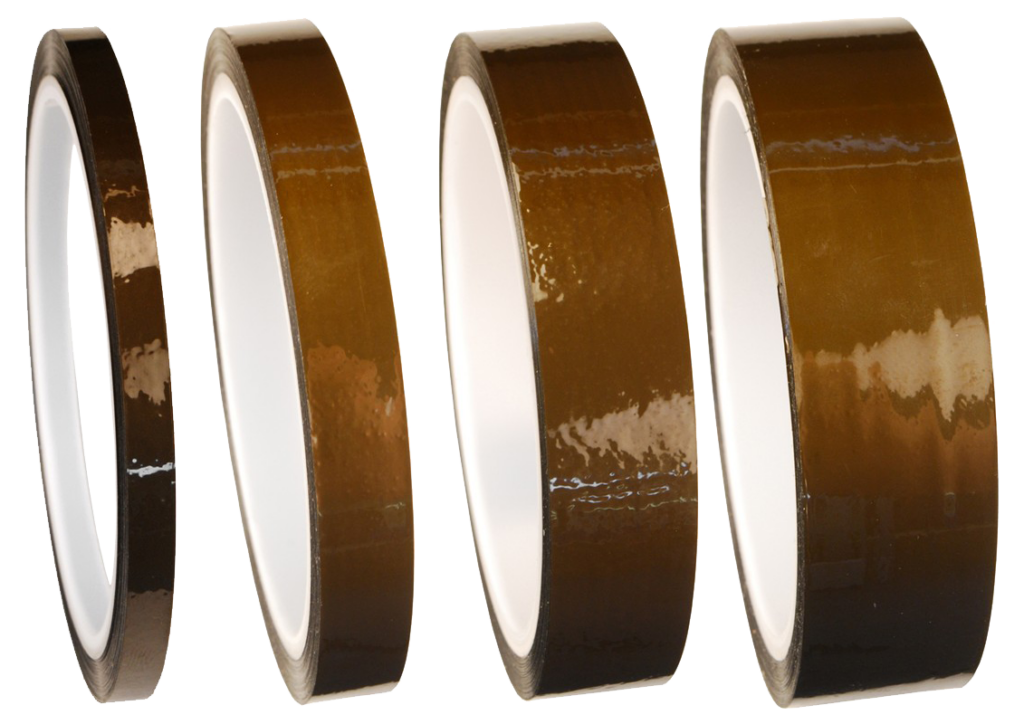
Polyimide Tapes
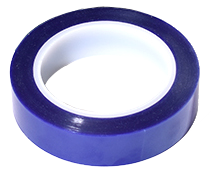
Polyimide tapes’ high-temperature resistance and dielectric strength make them indispensable in electronics manufacturing. These tapes are used for wave soldering, PCB protection during reflow processes, and insulating applications.
Polyester-Based Masking Tapes
Polyester-based tapes offer a balance of heat resistance and cost-effectiveness. Common to less demanding soldering applications, they are ideal for temporary masking during coating processes or light soldering.

PTFE Tapes
PTFE (polytetrafluoroethylene) tapes are valued for their exceptional non-stick properties and high chemical resistance. These tapes are ideal for masking applications involving extreme heat and where a smooth, clean release is required, such as in high-temperature powder coating or composite bonding.
Glass Cloth Tapes
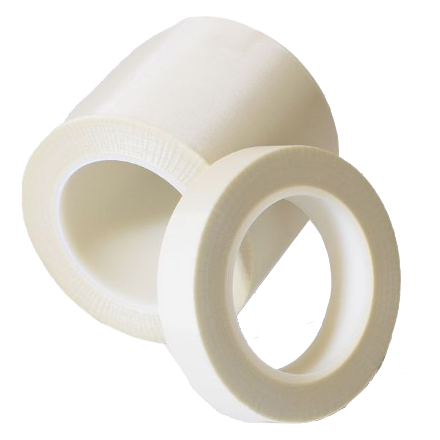
Glass cloth tapes provide high-temperature resistance and excellent mechanical strength. Often used in heavy-duty soldering or thermal spray masking applications, these tapes can handle abrasive processes and maintain stability in extreme environments.
Silicone vs. Acrylic Adhesives

Silicone Adhesives
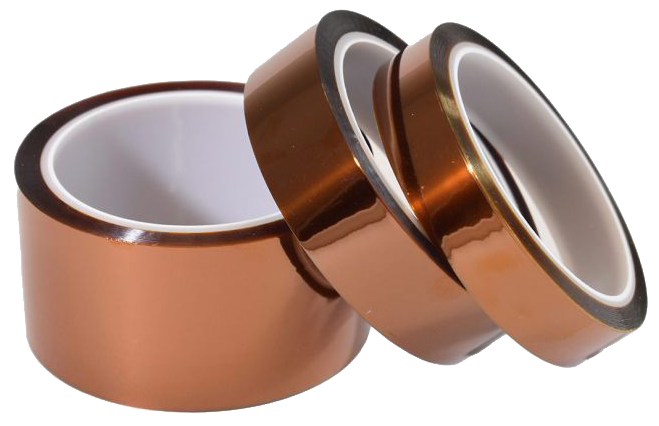
Silicone-based tapes offer superior temperature resistance, making them suitable for high-heat processes like wave soldering. They are less likely to leave residue, ensuring clean removal from delicate surfaces.
Acrylic Adhesives
Acrylic-based tapes provide strong adhesion and are cost-effective for general masking applications. However, they may perform less well at extremely high temperatures or under prolonged heat exposure.
Applications Across Industries
- Electronics Manufacturing: Polyimide and polyester tapes protect PCBs and components during soldering or coating processes.
- Automotive and Aerospace: In extreme heat environments, glass cloth and PTFE tapes provide thermal insulation and masking.
- General Manufacturing: Workers use silicone and acrylic adhesive tapes in assembly lines and production facilities, which require precise masking and residue-free removal.
Ready to purchase the right soldering tape for your application? Shop online or contact a PAC soldering expert today to learn more!